An ox, a ram and a pig: the mystery of Aquinum
Excavations in the ancient Roman city of Aquinum, in Lazio, have uncovered a stone carved with three animals and the missing piece of an inscription linked to Augustus.
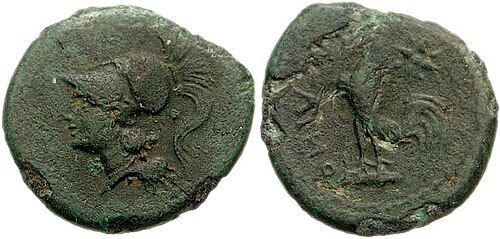
Between Castrocielo and Aquino, in the province of Frosinone, a Roman city still has stories to tell. It is Aquinum. This year, the University of Salento’s eighteenth excavation campaign, directed by archaeologist Giuseppe Ceraudo, unearthed two finds presented to the public on 3 October during the Archaeology Weekend.
The stone with three animals
The first is a cippus, a decorated stone block, later reused as paving near a city crossroads. An ox, a ram and a pig are carved into it. They may refer to the suovetaurilia, one of ancient Rome’s most solemn rites, in which those three animals were offered to the gods to purify a place or community. Archaeologists remain cautious: the stone was not found in its original position. It also appears to bear a name, possibly Caius Ammius Cammarus, but the reading still needs confirmation.
The missing piece
The second find is a marble altar fragment that partially completes a previously known inscription. The altar was commissioned by Manius Popidius Anteros, a former enslaved man who became wealthy and influential in the city. We can now understand its dedication: to the Genius of Augustus, the Lares of Augustus and the Genius of the Colony.
Why it matters
These are two small objects, but they tell a bigger story: in Aquinum, religion, politics and everyday life were intertwined. A freedman commissioned an imperial altar to establish his standing in the community. A sacred stone ended up beneath passers-by’s feet. Sometimes an entire story lies in a fragment.
Good to know: Aquinum was the birthplace of the poet Juvenal. Aquino also gave its name to Saint Thomas Aquinas’s family; he was born nearby, at Roccasecca Castle.