A run, then pizza? Run Clubhouse takes running communities beyond the app
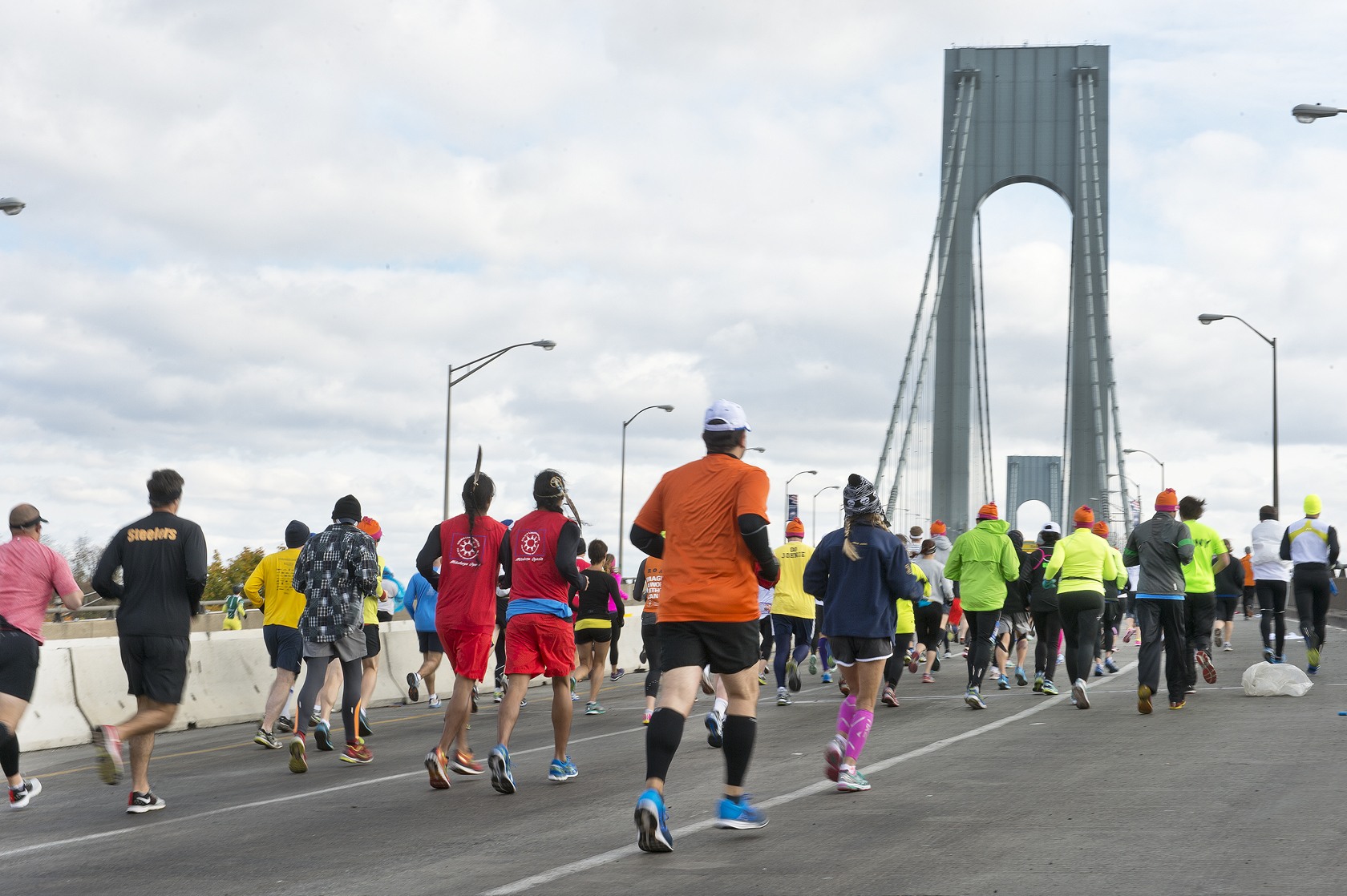
In New York, shared runs and time around a table accompany marathon week. Run Clubhouse’s announcement invites a conversation about groups, welcoming newcomers and meeting people.

A message can change the tone of a day: shall we meet for a run? Perhaps we could eat together afterwards. It does not contain an enormous promise. It contains an appointment, a place to arrive and the possibility that movement could also be a way to meet someone, without already being friends or running at exactly the same speed.
Run Clubhouse puts exactly that in its calendar: runs and time together afterwards. During New York City Marathon week, the programme paired running shoes with pizza and pancakes. It is an easy invitation to understand, even if you prefer a chat to a stopwatch.
In New York, running shoes before the table
The official calendar listed runs with pizza at Upside Pizza in SoHo on 29 October and a Pancake Social at Landmark Coffee Shop & Pancake House on 30 October. Both dates have passed. Check Run Clubhouse’s current calendar for future gatherings.
The runs take place in New York and list distance and pace. Those are useful starting points for choosing a group near home too: how far you run and whether the pace feels comfortable.
A group can begin with a question
If you are curious, you do not need to begin by entering a marathon. Look for a group that matches your experience and ask how its outings work. Do people start and finish together? What is the distance? Are there subgroups? Does someone accompany those further behind?
The word ‘social’ does not automatically answer these questions. An outing can be friendly and still move at a pace that does not suit you. Enquiring beforehand does not make you difficult. It helps you choose an experience you want to try without spending the entire route worrying about holding others back.
All paces welcome: what does that mean for me?
When an invitation welcomes all paces, ask how that welcome is organised. Can participants walk some sections? Do people wait at agreed points? Is the route understandable for someone unfamiliar with the area? These practical arrangements need checking with organisers; they cannot be attributed to every run club.
If you are beginning, explain your experience without apologising. If you already run, say what kind of outing you want. The point is not to persuade a group to become something different, but to see whether its plans fit where you are now. ‘Not for me’ is a useful answer too.
On your first outing, leave room for afterwards
Before joining, check the meeting point and your journey there. Ask whether registration is needed, whether there are charges and what is included. If a social gathering follows, enquire about that too: people have different time constraints, habits and dietary needs.
You may stay and talk or say goodbye and go home. An outing does not need to become a test of sociability. You do not have to share your whole life on the first run or post a photograph to prove you attended. The shared experience can develop at a pace that feels like yours.
The run remains yours, even in company
Running together does not require making every outing a comparison. You might be interested in the route, the people or simply a regular appointment. If you follow a professional’s programme, discuss where the outing fits rather than automatically adding another session.
If you do not feel like joining a group today, choose differently. Describing movement’s social side does not mean exercising alone is less valuable. It adds another possibility and leaves each person free to feel drawn to it or not.
An invitation that does not require a perfect version of you
The announcement comes from New York, but its question can travel closer to home: is there a movement-based gathering where I would enjoy meeting someone? Information comes first, then the decision. No impressive performance or compulsory excitement is required.
Perhaps it begins with a greeting and a name you remember next time. Perhaps it ends with pizza or a simple see you soon. That is the lovely thing about an invitation: you can accept it without already knowing the whole story that will follow.