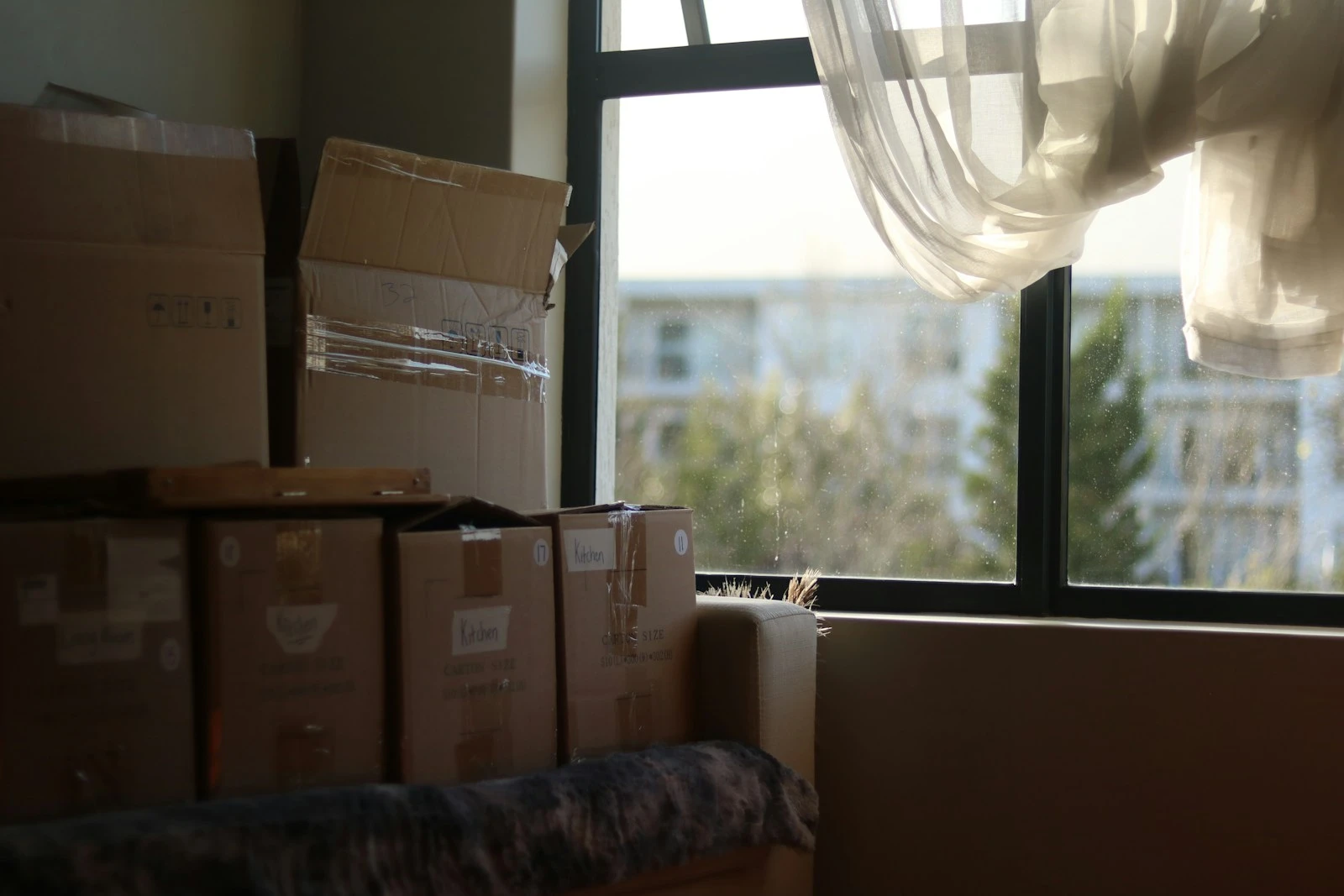
GOD, THIS HOME IS STILL FULL OF BOXES.
The pizza is resting on a moving box. You found two plates, but the mugs went into something labelled “miscellaneous”: a word that now seems rather unhelpful. Your new home feels wonderful and strange. Even the noises sound different.
Perhaps you are happy. Perhaps you already miss the place you left. You can want this beginning and feel homesick at the same time. A prayer for a new home can start here, before every piece of furniture has found its corner and before you know what living here will feel like.
You live here before it feels like home
Moving changes gestures you once made without thinking: where to put keys, which window to check the weather through, which light to switch on. Some things become familiar quickly. Others need more days. You do not have to feel exactly what you imagined when you received the keys.
Not every move involves the same freedom. Some come for love, work or a long-held wish. Others move after separation, for financial reasons or to be near somebody. This prayer can belong to you even if the new address was not your first choice.
In Luke 10:5, Jesus gives his disciples a greeting of peace when entering a home. We can receive that as an invitation to wish its residents well. Peace then needs practical gestures: listening, respect and shared responsibilities.
A prayer for beginning to live here
Original CHIARA! text for personal prayer. This is not a liturgical formula for blessing a house.
A small place for prayer
The Catechism, paragraph 2691, includes a domestic place with Scripture and sacred images among settings favourable to personal prayer. No dedicated room is needed. A shelf, a Bible by an armchair or an image helping you pause can be enough.
You can think about it gradually. If you live with people who do not share your faith, agreeing on a space is a way to respect each other. Praying at home does not require filling every wall or expecting everyone to participate. A discreet gesture can hold something important to you.
You may also bring familiar words into unfamiliar rooms. The prayer you said in the old house does not lose its place because the walls have changed. You can pray while still learning where everything belongs, without making a finished arrangement the condition for beginning.
If you would like a house blessing, enquire at your parish. This remains a personal prayer: it does not replace a celebration or promise automatic protection. Practical attention to safety and people’s wellbeing remains part of everyday care. Faith can accompany responsibility for a home and the people sharing it.
When the first visitors arrive
Perhaps you want to invite everyone immediately. Perhaps you need time to settle. You can choose without comparing your living room with a perfect photograph. Coffee on mismatched chairs can already make a lovely meeting.
You can also say: today I need a hand rather than another object. Or: thank you, I would rather decide gradually where things go. Sharing a home and receiving visitors involves small conversations that build respect one day at a time. Visitors can enjoy your company without inspecting every room.
Neighbours are people to get to know gradually too. A greeting on the stairs, a practical question and respect for shared spaces can be a beginning. You do not have to become friends with the whole building. Friendly relationships can coexist with the privacy you need.
Tonight, before switching off the light, you can add one name and one thank-you to this prayer. You need not wait for the final box to entrust your life to God. Begin while searching for a mug, in a home you are still learning to call yours.