PINK OCTOBER: BREAST HEALTH STARTS WITH A SIMPLE STEP!
Discover Italy’s LILT breast-health campaign, how to ask about appointments and why knowing your body does not replace mammography screening.
Between work, family and countless commitments, health often ends up on the list of things to deal with “when I have time”. October, breast health awareness month, invites us to return to that list, with reliable information and a practical first step.
“I can’t manage it right now.” “I don’t have any symptoms.” “I’ll think about it next month.” There are many reasons to put off a check. Sometimes there is fear too: of the examination, of waiting for the result, of hearing something we would rather not hear.
That fear deserves to be heard. Talking to your doctor can help you understand which checks you need and approach them with greater awareness.
What that pink ribbon means
In October, the pink ribbon draws attention to breast health. LILT’s Nastro Rosa campaign is an opportunity to find information and learn about local initiatives, including clinical breast examinations.
To find out what is happening near you in Italy, contact your provincial LILT branch. Access arrangements, any free appointments and available places depend on the local programme.
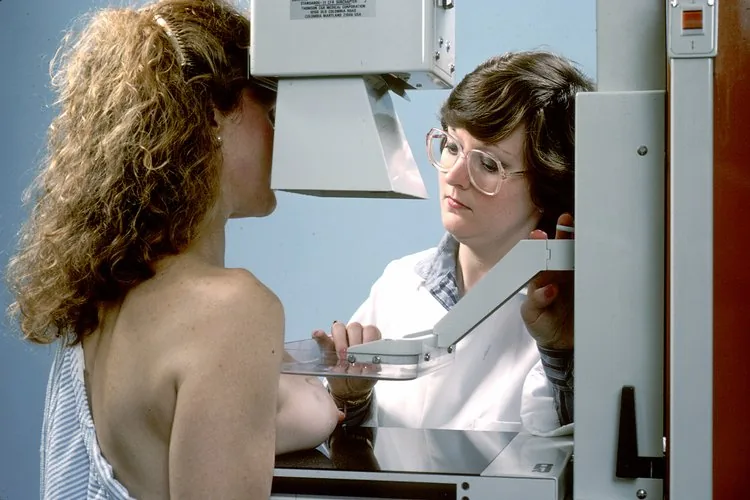
There is an important distinction: a clinical breast examination and a screening mammogram are different checks. The first does not replace the second.
“I feel well: should I still go?”
Mammography screening aims to detect possible cancers while they are still small and may cause no symptoms. That is why an invitation deserves attention even when you feel well.
In Italy, the programme generally offers a free mammogram every two years between ages 50 and 69; some regions include a wider age range, from 45 to 74. Your local health authority can explain the arrangements and how to access screening if no invitation has arrived. If you live outside Italy, follow your own health service’s guidance.
If you are outside these age ranges, ask your doctor which checks suit your situation. Also mention any family history of breast or ovarian cancer: this helps inform your individual assessment.
Knowing your breasts without having to diagnose yourself
Being familiar with how your breasts normally look can help you notice a change. It cannot, however, diagnose or rule out illness, and does not replace recommended examinations.
A new lump, skin or nipple retraction, or unusual discharge should be reported to a doctor without waiting for the next screening appointment, even if your last mammogram was normal.
You do not need to arrive with an explanation ready. It is enough to say: “I’ve noticed this and I’d like to understand it.”
For those already living with illness
Pink October also speaks to anyone who has received a diagnosis, is undergoing treatment or is supporting someone they love.
Not every day calls for courage in the same way. You may need information, psychological support, practical help or someone willing to listen without expecting optimism. Your care team and patient organisations can explain which services are available.
If you want to offer support, start with a simple question: “What can I do for you this week?” A practical offer — a lift to an appointment, a cooked dinner or an errand — can make help easier to accept.
For those who wish, prayer can also offer a space to bring their fears, weariness and hopes.
Where to start today
Take out that invitation left in a drawer, ask your local health authority about screening or speak to your doctor about a concern you have been putting off. You can also ask about LILT initiatives in your Italian province.
For information about the Nastro Rosa campaign in Italy, contact SOS LILT on 800 998877.
October gives us a reminder. Time for our health deserves a place in the other months of the year too.
This article provides general information and does not replace an individual medical assessment.