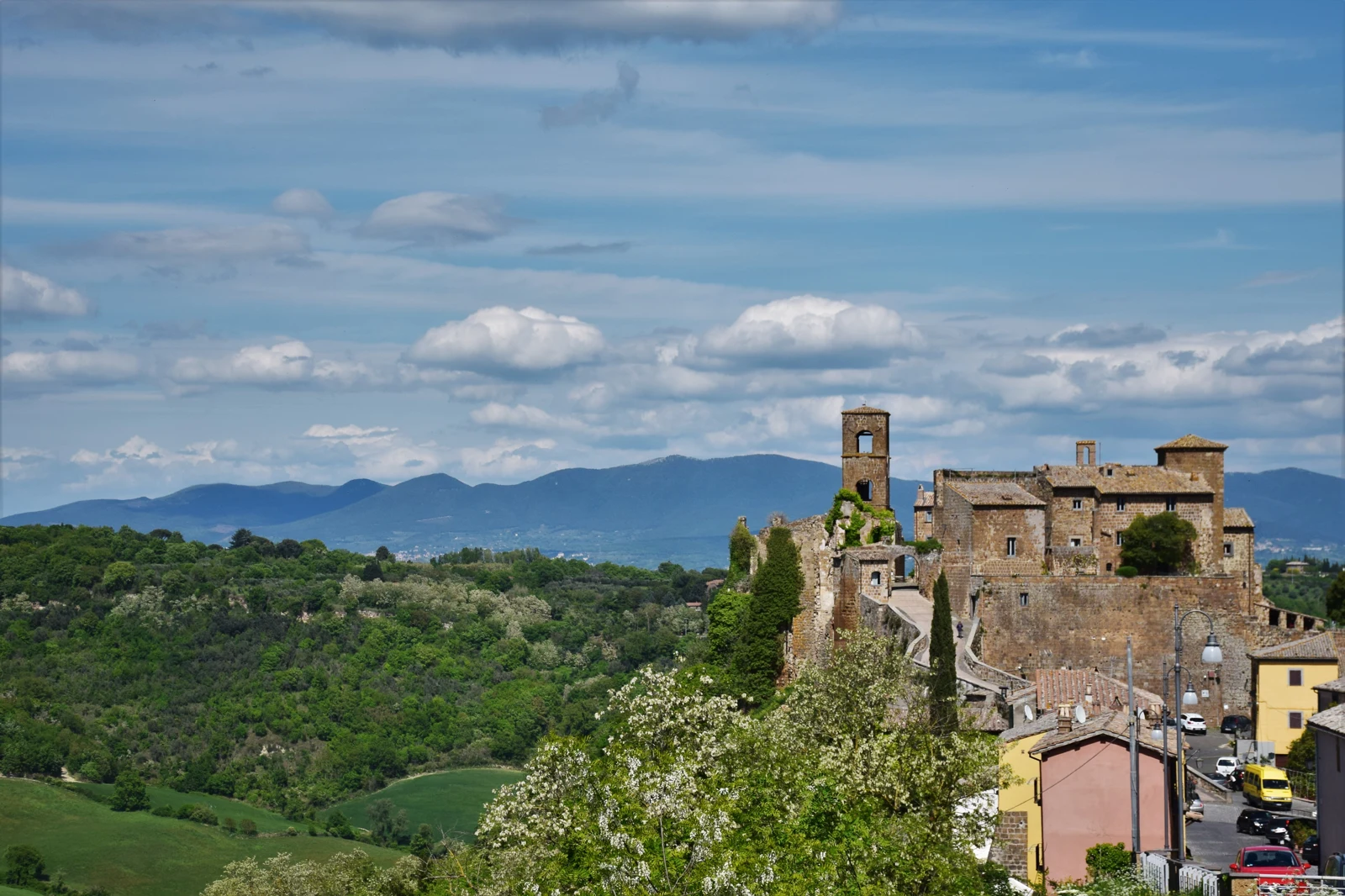
Before it became a colour, blue went on a journey
At Genoa’s Diocesan Museum, Oltremare follows pigments, textiles and artworks between the Mediterranean and China.
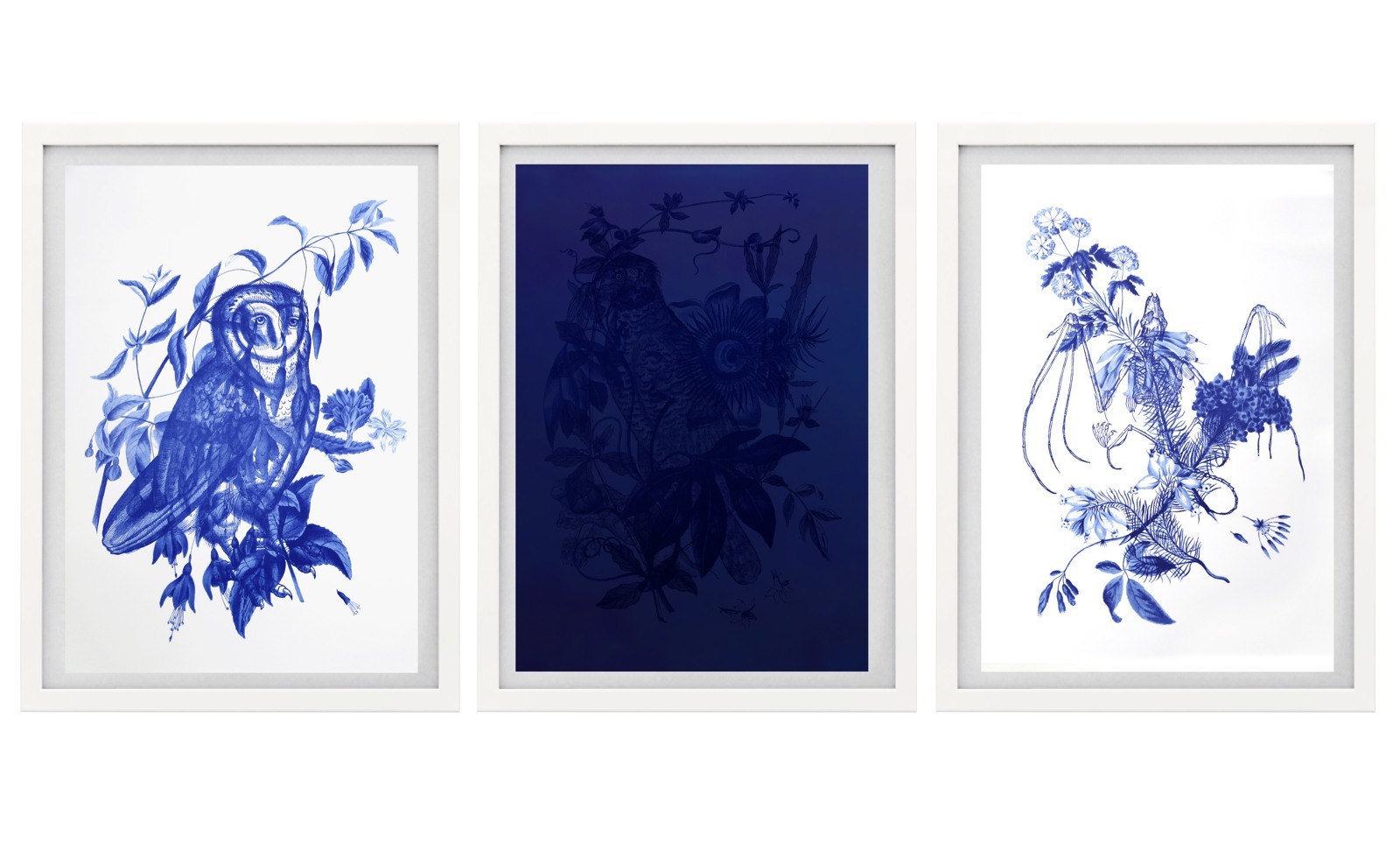
The blue of a textile and that of a ceramic can seem similar until we trace their origins. Before reaching those surfaces, they passed through mines, plants, hands and different techniques. Oltremare. Genova e il blu follows that material story across twenty centuries of exchange between the Mediterranean and China.
The exhibition runs at Genoa’s Diocesan Museum from 19 November 2026 to 21 February 2027. Elisabetta Raffo and Loredana Pessa curate it, with Davide Quadrio responsible for contemporary interventions and scientific support from Paola Martini.
A colour made of places
Lapis lazuli leads to the territory of present-day Afghanistan. Cobalt accompanies Islamic and Chinese ceramics. Indigo comes from dye plants; Egyptian blue recalls one of the earliest major artificial inventions in pigment history.
These materials travel with people who know how to work them. Techniques learned elsewhere are adapted, patterns move between surfaces and objects enter homes or places of worship far from their origins. Genoa, a port and a city of transformation, makes such encounters legible through its heritage.
The museum’s Passion cloths are an important part of the story. Blue belongs to devotion and the representation of suffering as well as to trade and clothing.
The conversation continues in contemporary art
Works by Yves Klein, Ettore Spalletti, Ali Cherri, Elif Uras, Marzia Migliora and Diego Perrone appear in the exhibition. Ancient materials alongside recent research show how one colour can raise different questions about bodies, landscapes, memory and perception.
The exhibition is promoted by the Fondazione Bruschettini per l’Arte Islamica e Asiatica with the museum, Fondazione San Lorenzo and Fondazione Il Secolo XIX. Visiting information is on the museum website. The journey begins with a familiar colour and opens into geography: what looked like a single shade contains many origins.
SOURCES AND FURTHER READING
Did this story touch your heart?
Psst… you’ll like this too!
Things to do in Genoa, 28–29 November: blue, departures and views over the city
Read the story ↗Share this story