Bridal hair 2027: beautiful, and still recognisably you
Low buns, waves, half-up styles and short hair: build your look around your dress, accessories and the day you will actually have.
In this article
- Bring three useful photographs
- A low bun for a detailed dress back
- Loose waves: choose the side you live on
- Half-up hair frees the sections you need
- Begin with your natural texture
- Short hair is already a style
- Give the veil a clear position
- Keep the trial going after you leave
- Spring and summer: arrange the outdoor sections
- Autumn and winter: include the coat
- Build the quote around the actual service
- A small kit with a named keeper
The saved photograph is beautiful. Then you look in the mirror and notice that the model’s hair is different from yours. That is where good bridal styling begins: with your texture, the cut you enjoy and how you want to feel when somebody hugs you. For a 2027 wedding, start with three clear options: a low updo to reveal the neck and back, waves beside a simple dress, or a half-up style that keeps the face open and movement through the lengths. Bring the veil, accessory and a photograph of the neckline to the trial. Wear them together, turn, sit and check the position of every comb.
Bring three useful photographs
Take a front photograph of the dress, one of its back and one showing your hair as you genuinely like it. Add a single inspiration image and explain what appeals: volume, parting, a clear neckline or movement. Asking for that effect on your own cut gives the stylist room to find a suitable construction. A phone full of contradictory pictures can make the decision harder. Explain what bothers you too, such as hair across your face or tension at your temples. These details help shape the practical design from the outset.
A low bun for a detailed dress back
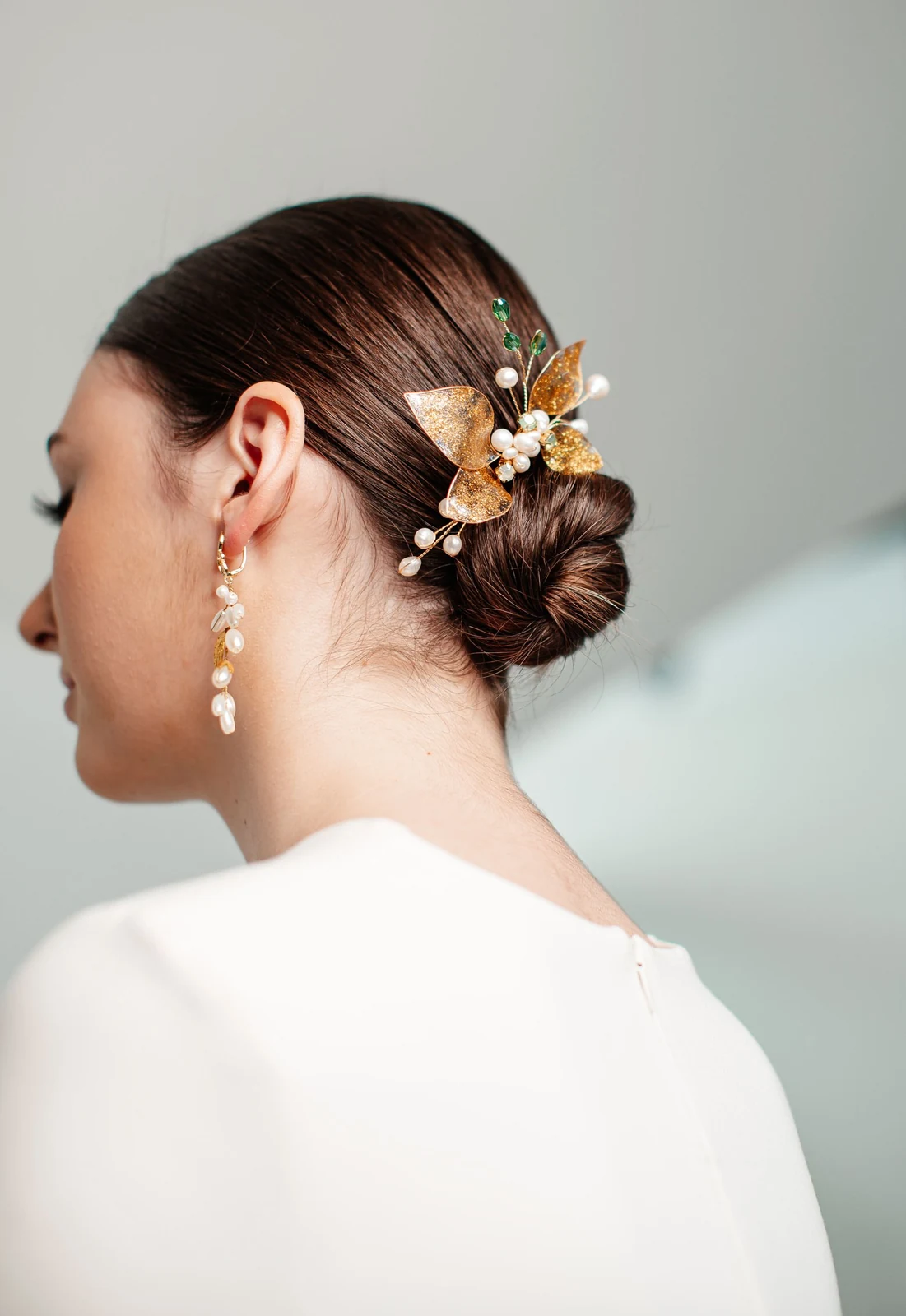
To leave a worked back visible, try a low updo scaled to your actual cut. Ask for photographs from behind and the side with your head held naturally. A bun at the nape may meet the dress edge, so test a similar neckline or coordinate the appointments. A side comb adds a point of light; with rich lace, compare the version without it first. The official ghd Twisted Low Knot tutorial offers a visual reference to discuss with your stylist. The final construction needs to suit your hair rather than copy a different head exactly.
Loose waves: choose the side you live on
When wearing your hair down, choose its parting and direction by looking at both face and bodice. Try a side part with one section behind the ear and small earrings, or waves across both shoulders with a more open neckline. The ghd Hollywood Waves reference is useful if you want a constructed, uniform wave. After the trial, walk and sit with the hair in position. If you repeatedly tuck a section behind your ear, ask for a design that accommodates that instinct. The hairstyle should work with your habits throughout the celebration.
Half-up hair frees the sections you need
A half-up arrangement can control hair around the face while keeping the length visible. Compare a central fastening with one placed further to the side, then see how the veil falls. For a bow, judge width and weight within the whole outfit. It should show without concealing the construction you like. Ask the stylist to demonstrate the finished appearance after the veil comes off. The gathered section needs its own complete shape. Photograph that version, so the entrance look does not become the only one you consider while planning the appointment.
Begin with your natural texture
Tell your stylist about your normal products and how your hair changes during a day. An updo can respect natural curls; a half-up arrangement can frame the face without making every section identical. If you want a substantial transformation, trial it early enough to understand whether you like it and how it behaves. Avoid treating one texture as inherently more presentable than another. Describe the result you want, the amount of control you prefer and the freedom of movement you want to retain. Those are useful design decisions rather than judgements about your hair.
Short hair is already a style
A pixie or bob does not automatically need extensions to look bridal. Begin with styling suited to the cut and try one element at a time: a defined part, side clip, headband or birdcage veil. See the profile with your actual earrings. If the piece slips or feels heavy, find a suitable fastening instead of adding more accessories. A trial with glasses, veil and dress neckline tells you more than a vague promise of extra volume. Extensions remain a personal option to test, rather than a stage every bride needs to go through.
Give the veil a clear position
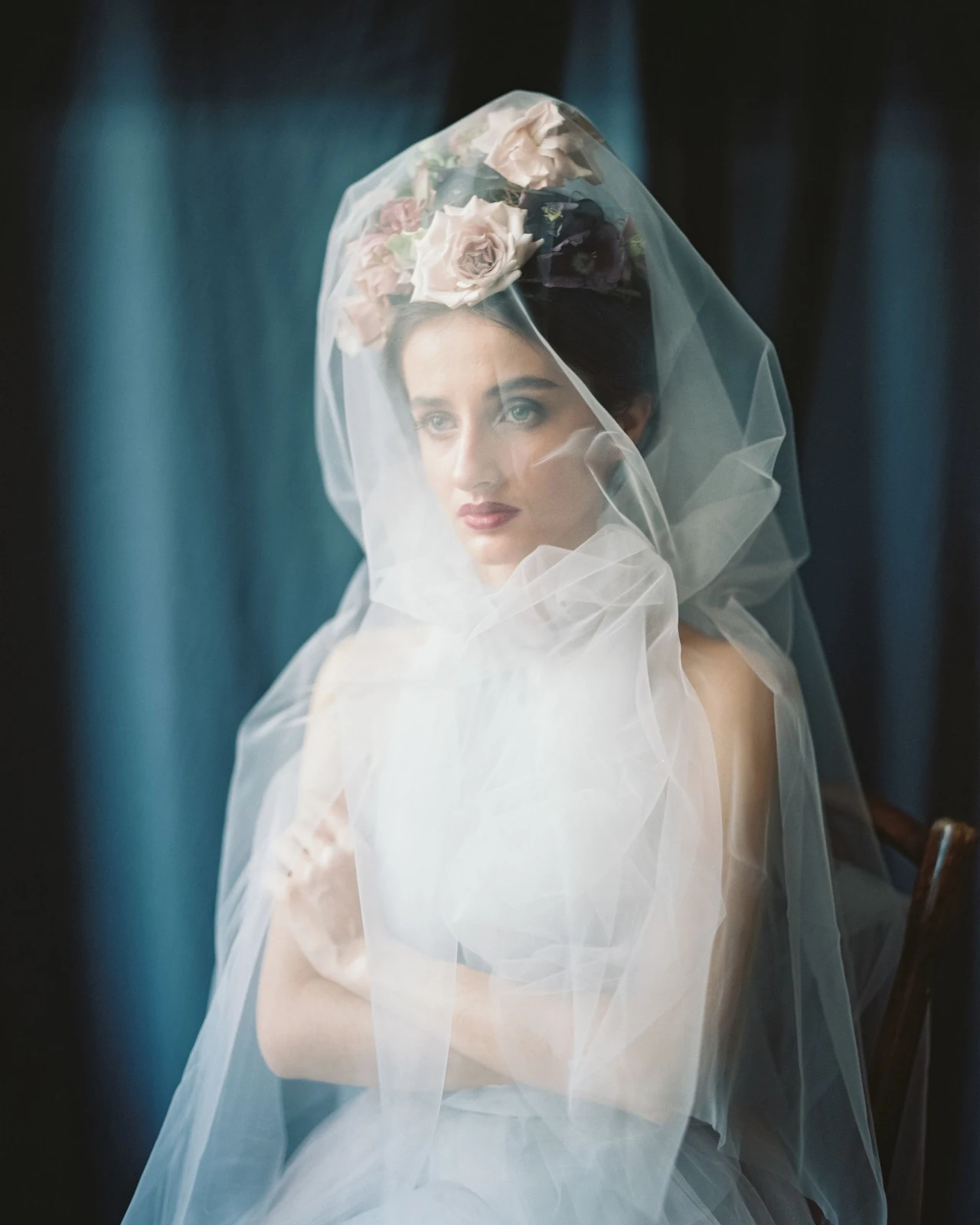
Bring the veil and any comb, headband or accessory that will remain after it comes off. Have the elements attached and removed in the planned sequence. Tilt your head, sit and rehearse an embrace. Ask who can help remove the veil and which pins must stay untouched. Photograph the anchoring point and put a short reminder on that person’s phone. During the ceremony, you can then concentrate on the words and people around you instead of wondering which pin holds the whole style together. A clear removal plan protects the version you want for the reception.
Keep the trial going after you leave
Judge more than the moment the stylist finishes. Keep a photograph as you leave and another later, after ordinary movement and travel. Note any section falling where you do not want it, pressure from a clip or changes in volume that you actually enjoy. Tell the stylist which developments are acceptable and which need addressing. There is no need for a universal promise of a certain number of hours. Your own trial provides more relevant information than an advertising formula, especially when the final day includes several locations and changing weather.
Spring and summer: arrange the outdoor sections
In spring, include wind and rain in the route between preparations, ceremony and reception. For summer, test how you feel with hair around your neck during time outside. If you want it loose, agree on a simple way to gather part of it later with a clip you have already tried. Avoid improvising a complete restyle in the venue bathroom. Check the veil fastening if you will carry an umbrella as well. Your companion should be able to hold it without moving the headpiece. The arrangement needs to work during transitions as well as photographs.
Autumn and winter: include the coat
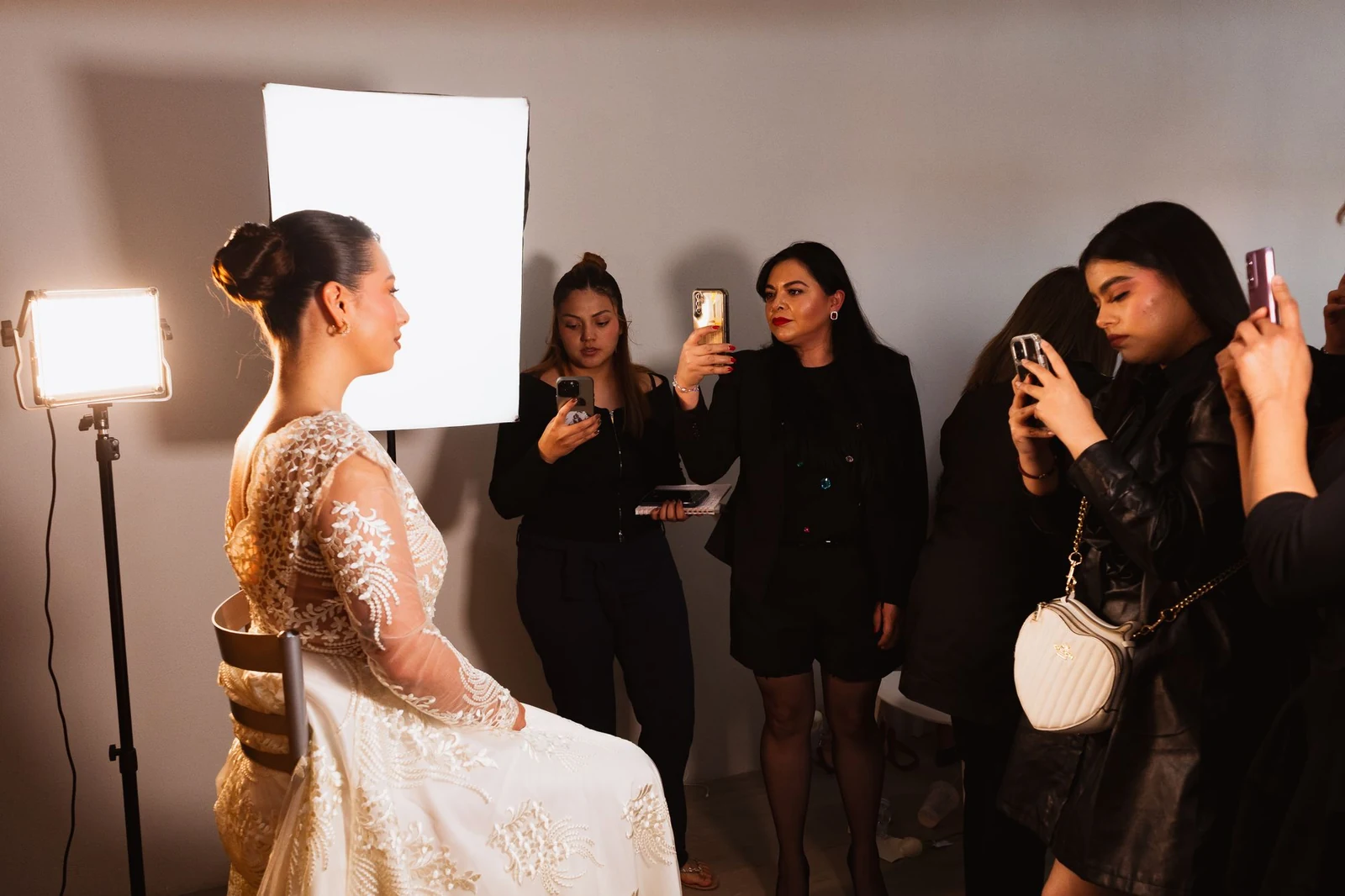
Coats, capes, scarves and high collars can meet the hair at the nape. Wear them during the trial and see what happens when they come off. If an updo meets the collar, discuss its height and position before the wedding day. For autumn, consider the move from outdoor portraits to the room. For winter, arrange somewhere for a final check after arrival. It does not need to become a second styling session. Know where to look in a mirror and who has the small kit agreed with the professional. The aim is a straightforward transition.
Build the quote around the actual service
Ask about the bridal styling, trial, additional hair or accessories, home appointment, travel, touch-ups and any second look. Specify how many other people need styling and whether another professional will attend. Work backwards from when you must be ready to put on the dress, with the hair and makeup team. Agree a margin suited to that actual workload. A lower figure excluding travel or the trial cannot be directly compared with a package including both. Put the service and the people in writing so the morning has a realistic sequence.
A small kit with a named keeper
Pack only what the professional recommends: compatible pins, a tested clip and any agreed products in suitable packaging. Give the kit to a specific person and decide where it stays during the party. Explain which detail can be adjusted easily and which parts should be left alone. If the hairstyle demands constant monitoring during the trial, ask for a revision before the wedding. The result you want is something you can live in, with a face you recognise and room for all the feelings of the day. That is a practical kind of bridal beauty.
Return to the 2027 wedding guide to connect outfits, styling and planning. The Wedding Special also includes the four seasonal guides.
SOURCES AND FURTHER READING
Did this story touch your heart?
Psst… you’ll like this too!
The veil, the shoes, the detail that feels like you: bridal accessories 2027
Read the story ↗Share this story