DON’T TELL ME TO BE STRONG. STAY HERE.
Someone calls to ask how you are. You would like to say that today you do not know yourself. Instead, you say you are holding on, carrying on, trying to be strong. Then you hang up and realise that you have mostly reassured the person who called.
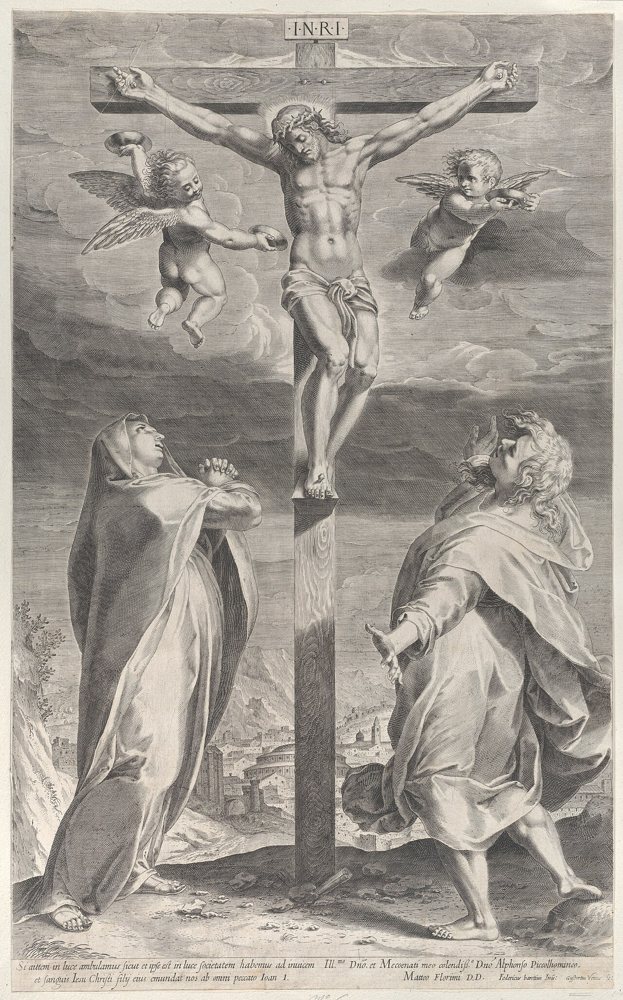
When suffering enters a relationship, this can happen too: the person in pain ends up tending to other people’s fears. Mary’s presence at the foot of the cross allows us to pause before another possibility. To remain beside someone without asking them to make everything easier for us to bear.
The Gospel describes a presence
John 19:25–27 places Jesus’ mother, other women and the beloved disciple beside his cross. Jesus addresses Mary and the disciple, entrusting them to each other. The text records no reply from Mary at that moment.
We cannot fill that silence with invented words. These verses do not tell us what she said afterwards. We can look at what the account shows: his mother is there, within a suffering whose gravity the reader knows, and a practical commitment of care begins.
Catholic tradition, including Lumen gentium 58, recognises Mary’s participation in her Son’s suffering. That does not make the violence of the cross desirable, or allow us to explain another person’s pain as something that had to happen.
Words that comfort the person saying them
Sometimes we say “you must be strong” because we do not know what else to do. We fear tears, silence or a question we cannot answer. We look for a sentence that will put things back in order.
Yet someone experiencing loss or difficult news may need relief from another expectation. Eating something, answering a call or facing the next hour may already demand everything they have. They do not owe us a demonstration of courage as well.
We can ask whether they would like to talk or prefer quiet company. Admit that we cannot find the words. Acknowledge the struggle without immediately adding a religious explanation.
Staying can have a time and a practical shape
Being present does not mean occupying the room for hours. It may mean arriving when agreed, bringing something requested or going along to an appointment. Remembering the person after the first days, when calls grow less frequent, matters too.
Gentleness includes respecting people’s timing and privacy. Not everyone wants visitors or can answer. Leave a message that needs no immediate reply and offer specific help if you can follow through.
You may feel helpless yourself. You can acknowledge that without making it a task for the person in pain. Talking about your emotions with someone else can help you offer freer companionship, able to listen without constantly seeking reassurance.
Mary does not demand a serene face
In prayer you can entrust to Mary what you struggle to express: weariness at having everything explained, the need for company, anger at words spoken at the wrong moment.
Christian faith proclaims the resurrection. It does not erase the time of grief or demand immediate serenity. Hope can sit beside tears, without using them to measure trust in God.
This page’s title is our editorial voice, not a quotation from Our Lady. It expresses a deeply human request: today, do not ask me to be different from how I am. If you can, sit here. Perhaps we will talk. Perhaps we will have a quiet drink. For this moment, knowing I do not have to go through it alone will help.