Lisbon: azulejos by day, fado after dark
From Santa Luzia into Alfama, discover tiles, lived-in streets and songs. Look closely at the city and leave an evening to listen.
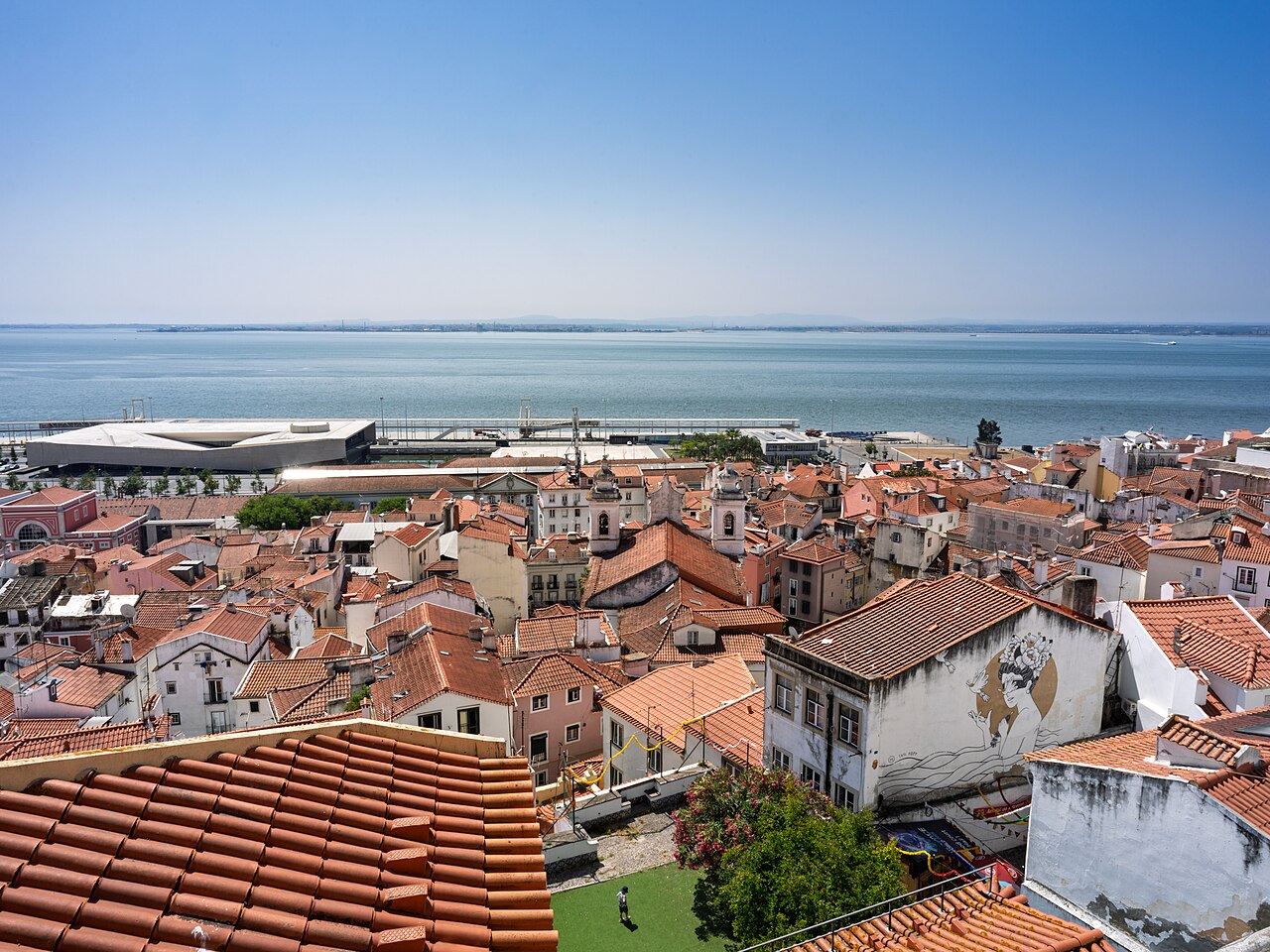
From Miradouro de Santa Luzia, Alfama's roofs descend towards the Tagus. Houses crowd together, façades rise to different heights, and a church helps restore a sense of scale. Beyond them, the water opens out the view. It is a place that encourages you to stop, even if moments earlier you were determined to be somewhere else.
This is one way to begin getting to know Lisbon: from a high point that brings separate places into relation. Walk down and the view becomes doorways, tiles, pavements and people to make room for. Between the panorama and the street is a city to spend a few days in, at a pace that works for you.
Looking closely at the tiles
At Santa Luzia, azulejos also line the place from which you look out over the city. Their colour belongs to the view, yet deserves a closer look of its own: follow an edge, find where a pattern begins again, notice the difference between a worked surface and a flat field of colour. The panoramic photograph can wait a moment.
If you would like to explore this tradition further, one practical detail matters before planning the day: the National Tile Museum is closed for renovation. A visit will have to wait until it reopens. Meanwhile, a walk can become a chance to recognise ceramic decoration on façades and in public places, giving attention to something that might otherwise remain in the background.
Looking at a wall takes more time than you might expect. From a distance, colour catches the eye; closer up, repetitions, interruptions and traces of age become visible. Photograph a detail alongside the whole façade so you can remember where it belonged. It is a small way to bring home something more meaningful than a collection of images without locations.
Alfama, with room for its residents
From the viewpoint, continue into Alfama. Slopes and steps deserve attention when you choose accommodation: somewhere close on the map can involve a substantial climb. If you want to reduce uphill walking, arrange the day around reaching a higher point first, checking a suitable way to get there, and then explore downhill.
Leave some stretches without an intermediate destination. A doorway or window can convey the scale of the houses more clearly than a lengthy explanation. These are people's homes, so ask before photographing someone or looking into a private space. On a narrow passage, make room for those simply making their way home.
For a break, choose somewhere with a menu you have read and a table where you feel comfortable. The pause can also be a chance to change the plan: if your legs need a rest, one fewer visit leaves more energy for the evening. In Lisbon, hills deserve to be considered alongside distance. That small adjustment can improve the whole stay.
Meeting fado before the evening
At Museu do Fado, in Largo do Chafariz de Dentro, the city's music comes into focus through the people who wrote, sang and played it. Instruments, pictures and documents give the history a human scale. Contributions from performers, writers and instrument makers reveal the hands, study and shared work behind a voice.
You can visit before choosing an evening of live music. The museum opens Tuesday to Sunday, with specific holiday closures. For a Christmas trip, note that it is closed on 24, 25 and 31 December. Its visitor information makes it easier to match a museum visit to the actual days of your stay.
A fado house offers a different evening from a concert with a fixed running time. Clube de Fado is one option in the neighbourhood. Before reserving, read the menu, the evening's arrangements and what the bill includes: dinner and music packages vary between venues. Knowing the format beforehand makes it easier to settle in and listen.
During a song, silence your phone and give the singer your attention, even if you do not understand every Portuguese word. Begin with one song, let it unfold and look up the meaning afterwards. Interest in a language can grow from an encounter like this, without having to understand everything at once.
Another look towards the river
For a first visit we suggest three full days, spreading out the sights and leaving an evening for fado. Alfama can occupy a generous part of the stay without trying to cover every neighbourhood on the same trip. If you travel as a couple, give the plan a little shared negotiation: a visit chosen by each person and time left to decide together.
Before leaving, return to Santa Luzia when those same roofs carry a few more points of reference. A street you walked, a museum you visited, the place where you listened. The Tagus is still there, beyond the houses. This time the view includes something of what you have come to know between you and the water.
SOURCES AND FURTHER READING
Did this story touch your heart?
Psst… you’ll like this too!
What to do in Benevento and its province on Wednesday 16 December 2026
Read the story ↗Share this story