Istanbul: a ferry ride and a different view
Between Kadıköy, Moda and the domes of the historic peninsula, leave room for the everyday life of a city shaped by its shores.
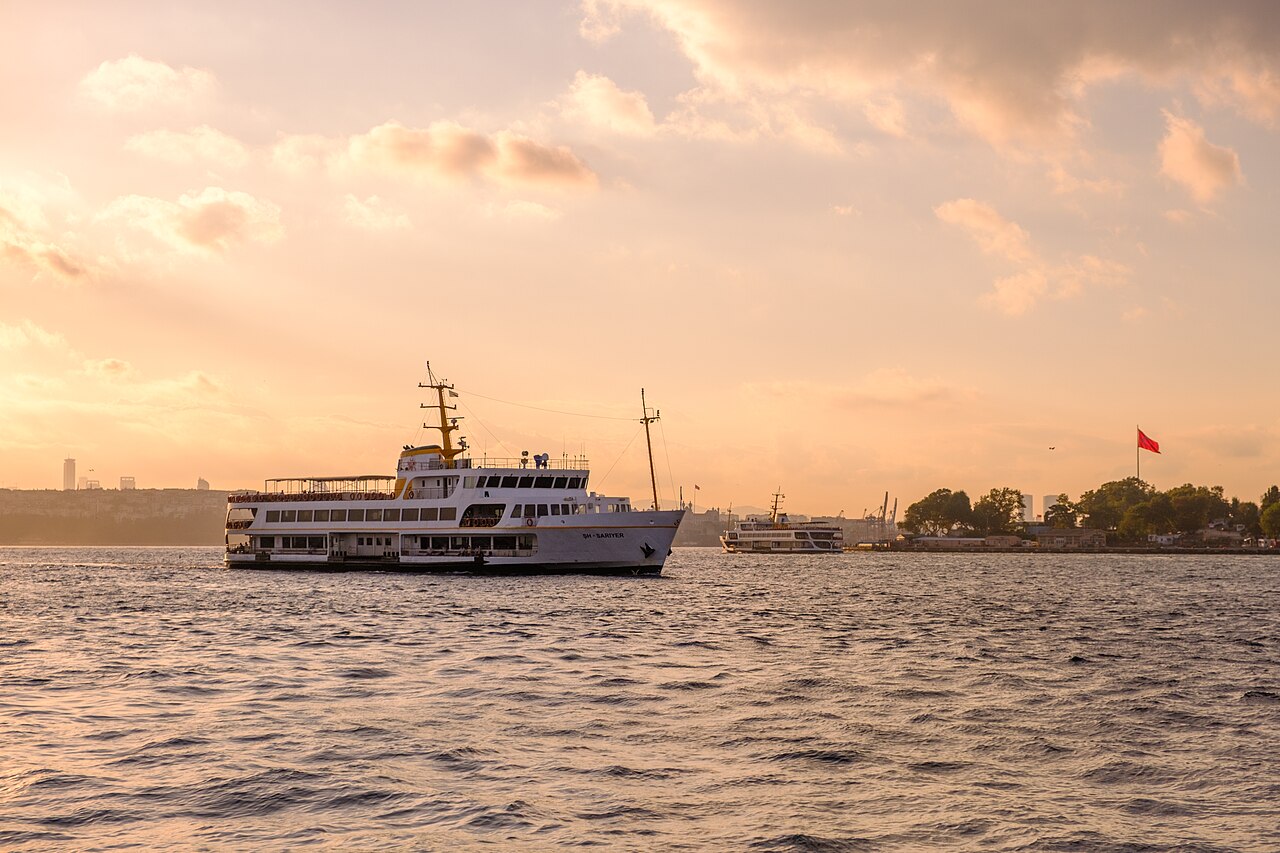
The ferry pulls away from the quay and Istanbul retreats just far enough to come into view as a whole. Domes, minarets and waterfront buildings cease to be separate addresses to reach. They share a skyline. Commuters and visitors with a free day ahead look out over the same water: an enormous city whose everyday geography includes the sea.
It is a rewarding place to begin a first visit. Crossing to Kadıköy, on the Asian shore, makes room for ordinary city life before the great monuments. When the historic peninsula comes back into sight on the return journey, those familiar silhouettes already have a place on your own map.
A seat by the window
The Kadıköy–Karaköy–Eminönü service operated by Şehir Hatları is an urban ferry linking the two shores. The names of the piers matter: Karaköy and Eminönü are separate stops, both on the European side. Looking them up before leaving your accommodation saves a last-minute discovery that you are waiting on the wrong quay.
Once aboard, giving the crossing your attention changes the day. Sit outside if the weather allows, or find an indoor seat and let the window frame the view. A jacket that cuts the wind is worth bringing: the temperature you feel on the water can be quite different from the one you left behind in the street.
Read the timetable for the correct day, including its Sunday and public holiday notes. Check the return service before settling into dinner across the water. On a short break, a ferry journey with a generous stretch of time ashore already gives you plenty to enjoy. Adding a long Bosphorus cruise straight away can leave less time for the city itself.
Kadıköy, with time for Moda
Kadıköy offers a different pace. Allow an afternoon for the neighbourhood and continue towards Moda, on the Sea of Marmara, leaving room for a proper café stop. Here the streets open towards the waterfront. The horizon becomes part of the walk and helps explain how closely Istanbul's life is tied to its shores.
A few modest choices can make the afternoon easier: get off the ferry without an imminent reservation, read a menu before choosing lunch, and put the phone away for part of the walk. Give a street time to become familiar. A shop you might return to, a recognisable façade or a table chosen for a rest can become useful little anchors in a new place.
Kadıköy has cafés that double as bookshops, small shops and art spaces. If you enjoy street art, head towards Yeldeğirmeni and look for Karakolhane Caddesi. It is another encounter with the city's creativity, away from the grand galleries and among streets whose everyday life continues around the work.
Coming closer to the domes
On the historic peninsula, the scale changes. Hagia Sophia and the Süleymaniye belong to different eras: the former was built in the sixth century, while the latter is the work of the sixteenth-century architect Sinan. Seeing them in one city gives its long history a tangible shape, beyond the familiar shorthand about East meeting West.
Give the Süleymaniye a visit of its own before moving on to another major attraction. Look at the proportions of the whole, then move closer to the details. In a city with this much to see, it is easy to reach the third building of the day while barely remembering the first. Staying long enough to look carefully is a practical way of seeing more.
Mosques are places of prayer. Check the arrangements for visitors before setting out; follow the instructions on arrival, dress appropriately and leave room for worshippers. Waiting when necessary is part of encountering a city where daily life and faith continue around the visitor.
Choosing a room with a map beside you
In Istanbul, the address of your accommodation deserves as much attention as the photographs of the room. Mark the ferry pier you expect to use, one important visit and your evening journey back before booking. Straight-line distances say little when water, hills and changes of transport lie in between.
For a first visit, we suggest at least three full days: one for the historic peninsula, one for the crossing and Asian neighbourhoods, and another for interests that emerge once you arrive. This is a way to distribute your time, to adapt to your energy and what you enjoy. By the last evening, you may find yourself wishing for one more ferry ride. Leaving part of Istanbul for another visit feels entirely reasonable.
SOURCES AND FURTHER READING
Did this story touch your heart?
Psst… you’ll like this too!
Things to do in Rimini and nearby on Monday 14 December 2026
Read the story ↗Share this story