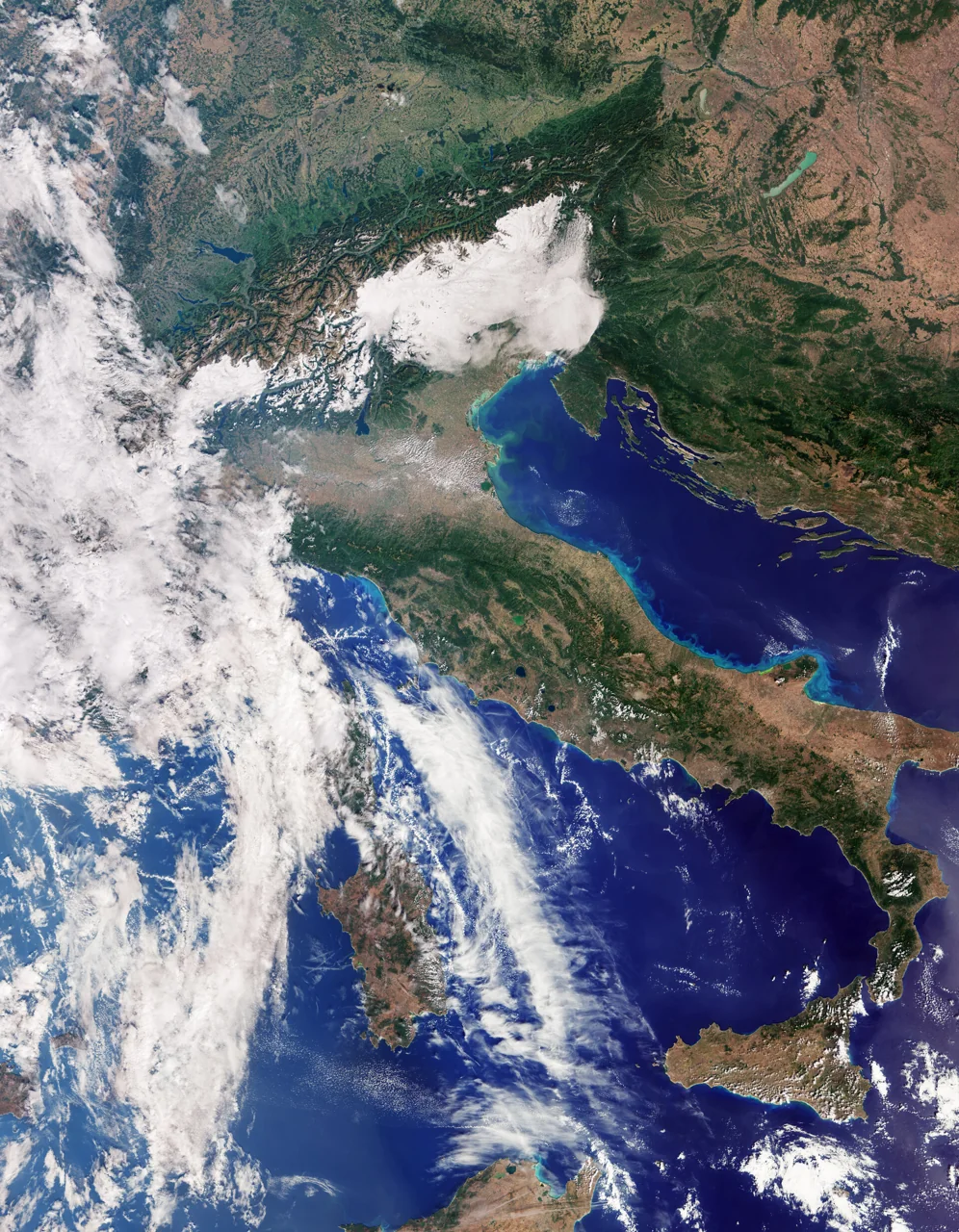
Milan, where would you put the next tree?
On Saturday, 21 November 2026, from 11:00 to 13:00 local time, you can join a workshop about the future park by the Rubattino primary school in Milan. Meet in the green space at the corner of Via Pajardi and Via Caduti in Missioni di Pace. The workshop is open to the public. Bring one specific idea about where you would like more shade.
Where to go and what happens there
The workshop meets outdoors in the green space beside the school site. Save the street corner so you can go straight there. Forestinesumisura ETS is organising the session with the support of District 3. The two hours are set aside to look at the site, discuss it and imagine the neighbourhood’s green space with the people who use it or will use it. If you bring a child, try a game on the way. Each of you picks a spot where you would like to stop, then explains why. By the end, you will have two ways to describe the same little piece of the city.
A note on your phone or a piece of paper and a pencil is all you need to bring. If you are coming from elsewhere in Milan, check the location on a map before setting out. Come with a single question: what would you want to be able to do here on a June afternoon? Waiting for someone after school, reading on a bench, crossing the park on the way home and staying to play with the children are four different answers. Each describes a different use of the space. You can also bring an observation from a neighbour who works on Saturdays and cannot come along.
What to look at before picking a spot
Before picking a point on the map, walk around the edge of the site. Notice where people enter, where they come from and where the pavement ends. Imagine arriving with shopping, pushing a buggy or moving at a slower pace. A path that is easy to use will still be useful when you are in a hurry. If the entrance sends you across a difficult junction, you might choose a different route even with a park a few steps away. Your first contribution could be to describe a journey you actually make: where it starts, where you cross and what would help along the way.
Then look for the place where you would stop. A sunny bench might feel lovely in November and be hard to sit on in July. Pick a time of day when talking about shade. What you see at eleven in the morning shifts in the afternoon. Try saying, ‘I wait here around four when school lets out’, then showing people the exact spot. It is easier to discuss that bench at that hour. Designers can look at the sun, distances and what else is in the way. People who live nearby can explain when that particular spot matters.
A shady path matters as much as a place to sit
A park has people who sit down and others who walk through. A cool place to pause can help someone who needs a break halfway. Somebody walking home might like longer stretches of shade. An adult bringing children to play might prefer somewhere they can sit and still see the activity. When you describe the green space, add a verb to your idea: cross, wait, rest or play. It is a quick way of showing who would use that part of the park and what they would do there.
If two suggestions sound far apart, draw them in different places. A teenager dreams of grass to sit on with friends. Someone wants a level path across the area. A family would like room to play. The conversation can start with the distance between these activities and how people get to them. Sometimes the same park can offer all three easily. Other times a design choice is needed, and it is clearer once you know who needs the space, at what time of day and for what.
Turn an observation into a proposal people can picture
Try putting your idea into one sentence anyone could repeat. ‘At four o’clock, near the school gate, people waiting here could use somewhere in the shade.’ Point to the place and explain who would use it. Do the same for access: ‘I come from this side in my wheelchair and when the path narrows here, I have to go round.’ A small drawing with an arrow may be enough. If you have ten ideas, take the one you can describe best and let the group help fill in the rest.
You can ask what happens after the workshop. Who gathers the suggestions? Will there be a chance to look at the plan together? If you want to involve neighbours later, tell them one specific thing you heard and show them where to look for official updates. A neighbourhood conversation is easier to follow when people can see how a practical experience makes its way into a decision. If you are taking children, ask on the way back which suggestion made them think about the site differently.
What Italy marks on 21 November
Italy’s National Tree Day is 21 November, a date recognised by law in 2013. The law links the occasion to understanding woodland ecosystems, protecting soil and making towns more liveable. At Rubattino, liveability becomes a question about how you enter a park and where you can wait for someone. You can try the same approach close to home even if you cannot make this workshop: choose a regular route and ask which small change would make it easier to walk when the heat returns.
To bring the conversation home, compare two ways of reaching the same place. One might be the shortest route and the other the route you would take on a hot day. Draw them in two colours. The sections where they differ often suggest a useful question. Someone who used to live in the neighbourhood might also explain why they still take one street instead of another. Those are the details a technical drawing cannot gather by itself.
The test of the first hot day
Meet at 11:00 on Saturday, 21 November, at the corner of Via Pajardi and Via Caduti in Missioni di Pace. The workshop runs until 13:00. Pick somewhere to look at before you arrive and think about when you would use that spot. A few months from now you might find yourself passing on the first hot day and imagining where a bench would feel welcome. That is the question the workshop invites you to ask.
SOURCES AND FURTHER READING
Did this story touch your heart?
Psst… you’ll like this too!
Max was inside a clothing collection bin. Someone stopped and changed his story
Read the story ↗Share this story