ROME, STEP INTO WONDER! AMAZING WONDERS OPENS TODAY
Draw with light, walk through digital landscapes and meet robotic creatures. A new exhibition at Forte Trionfale brings together over 30 installations: discover what happens inside, the works to look out for and how to plan your visit.
Jump to what you need
- Immersive art: what do you actually do?
- Paint with light
- A blade of grass becomes a world
- AURA: giving feelings a visible form
- Holograms, impossible landscapes and mechanical creatures
- Premieres shaped by the Forte’s history
- A place to discover with children, too
- Amazing Wonders: dates, opening hours and tickets
- Keep exploring Rome
A wall where you can leave a drawing using nothing but light. A blade of grass transformed into an entire landscape. Robotic sculptures moving in front of you. In Rome, art takes a tangible form: you step inside, move around, experiment and discover what happens when your presence encounters a work.
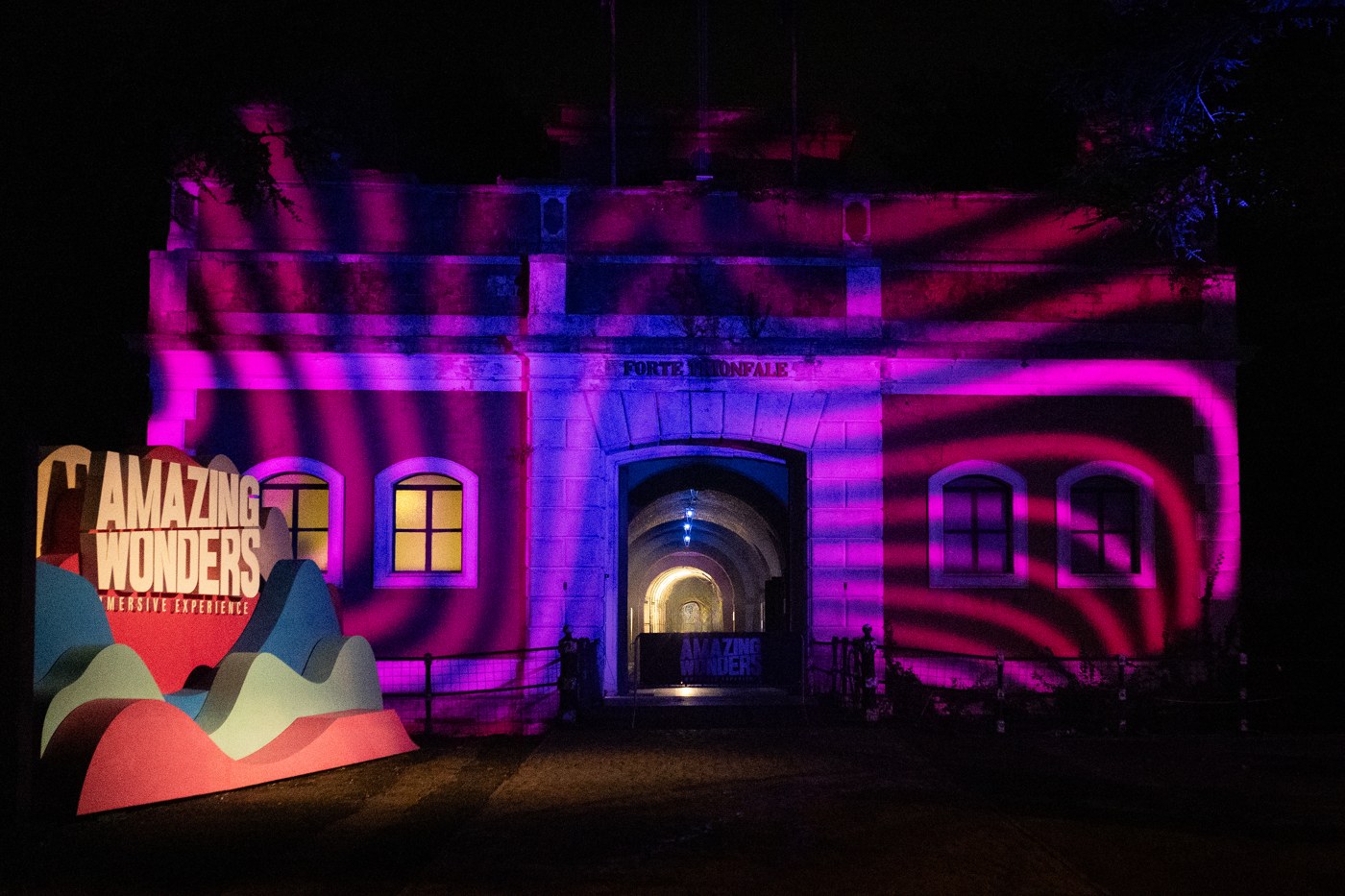
Amazing Wonders – Immersive Experience opens today, Friday 20 November 2026, at Forte Trionfale, Via Trionfale 7400. Curated by Federica Futura Patti, the exhibition brings together more than 30 installations by 20 international artists and collectives across a 21,000-square-metre site. It runs until 30 April 2027. On opening day, doors open at 4pm.
The programme includes lasers, light and sound environments, video projections, kinetic sculptures, robotics and artificial intelligence. The relationship between the natural and the artificial connects these different approaches: how we see a landscape, recognise a presence and experience a space when technology opens up new possibilities.
Source: CHIARA! Magazine · YouTube ↗
Source: Sky TG24 ↗
Immersive art: what do you actually do?
Here, “immersive” means entering environments created through images, light and sound. Interaction adds another dimension: in some installations, visitors’ movements and presence become part of the artwork. You might watch a moving sculpture, walk through a luminous threshold or work directly on a surface.
The route takes in courtyards, gardens and indoor spaces at the Forte. Scale, atmosphere and artistic language change along the way: from the geometry of a laser to vegetation in the moat, from holographic forms to everyday objects transformed into mechanical creatures. The individual works offer a way into this variety.
Paint with light
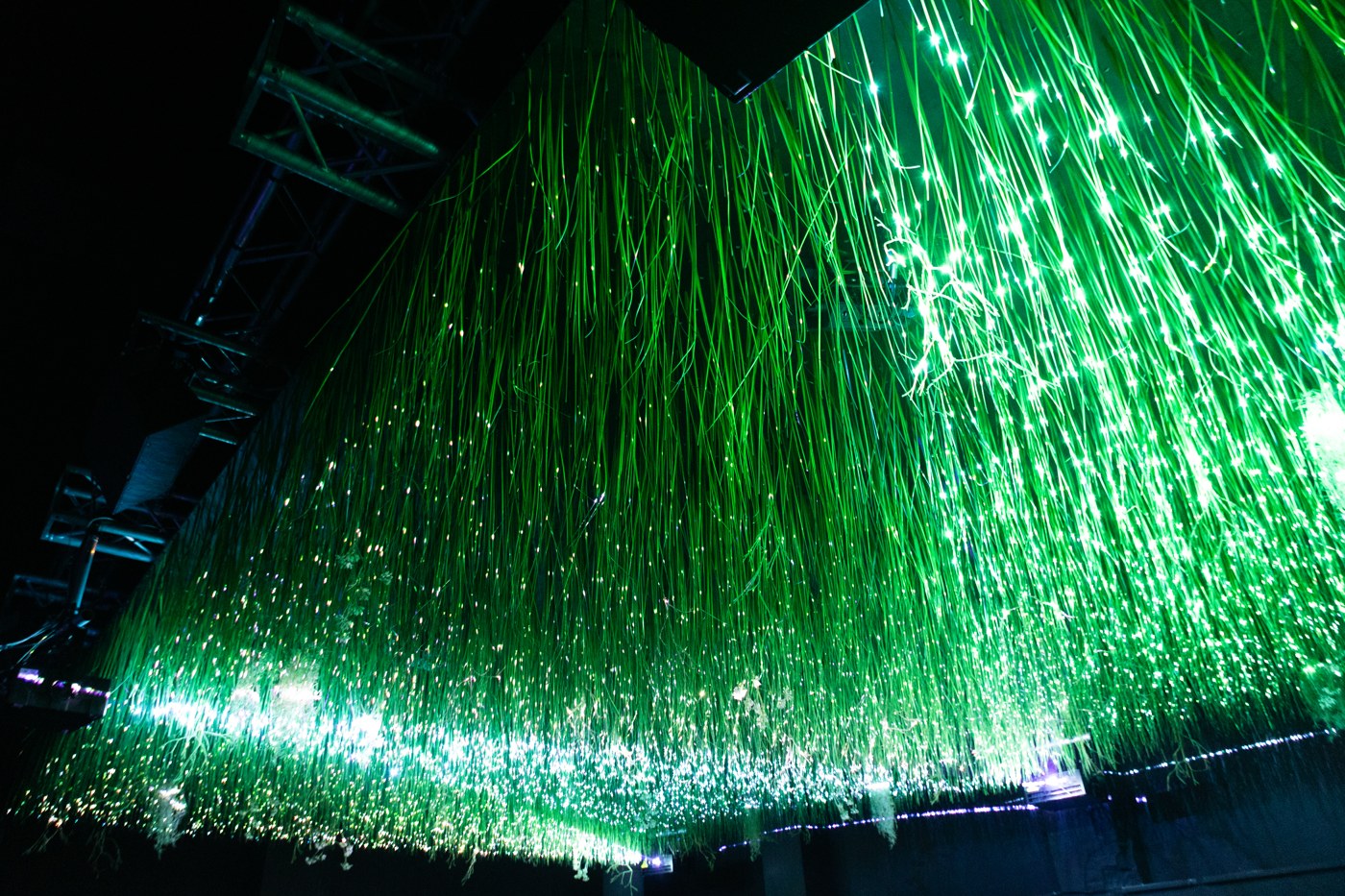
Temporary Graffiti for Forte Trionfale, by Random International, arrives in an XL version developed especially for these spaces. The installation invites visitors to draw with light on surfaces made from heat-sensitive materials.
It is one of six productions receiving their world premiere here. Its appeal begins with an immediately understandable action: making a mark, trying a movement and watching a trace take shape. Technology becomes a creative tool for the participant. Even someone arriving with little experience of contemporary art has a practical starting point, before searching for a definition or an explanation.
A blade of grass becomes a world
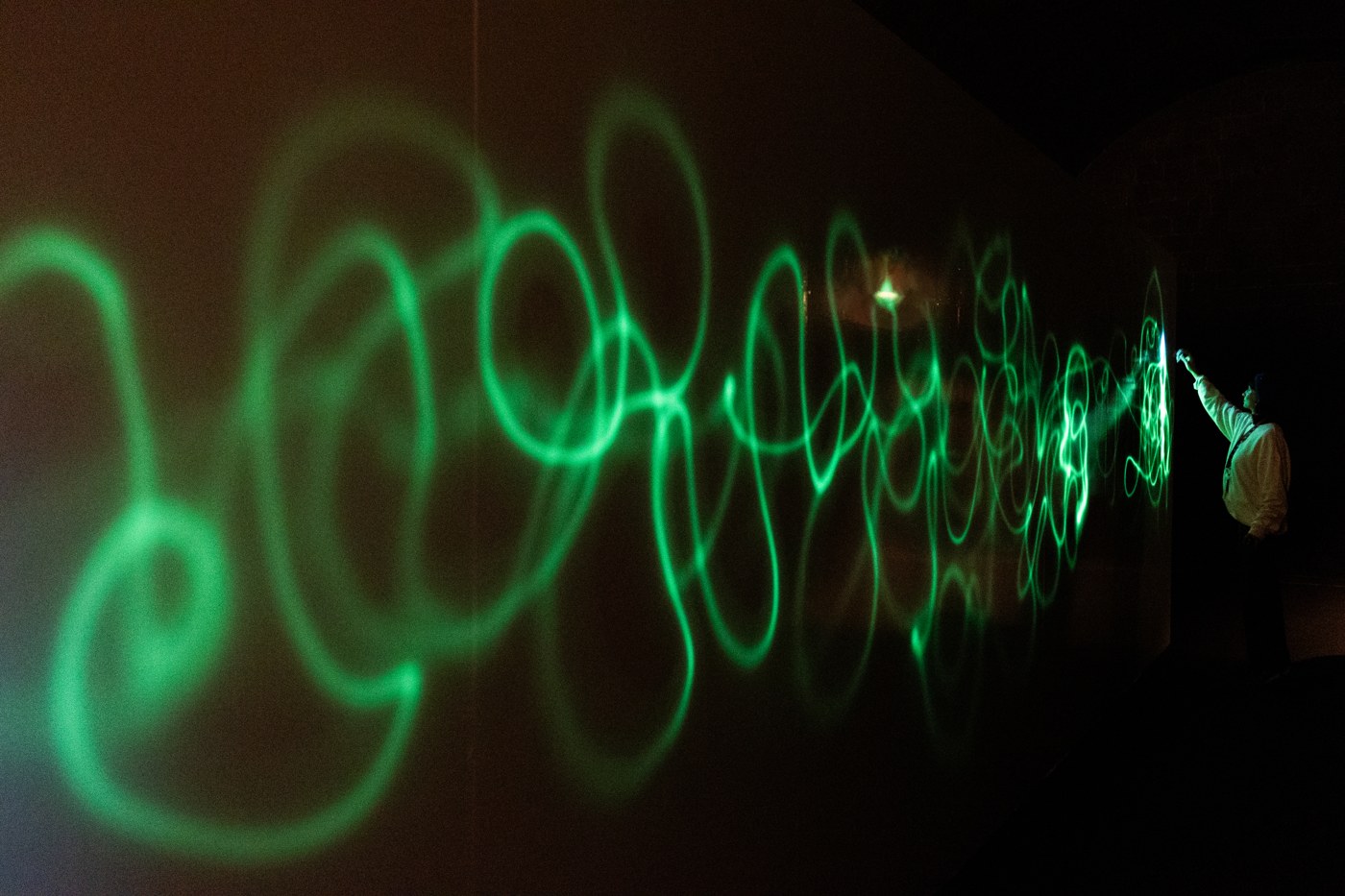
With The Day We Left Field, the TUNDRA collective brings an audiovisual environment to Italy for the first time, starting with something tiny: a blade of grass. The work expands its presence until it becomes the protagonist of a space suspended between dream and reality.
Nature also runs through DIORAMA, by Natan Ruzza, created for the Forte’s moat. Here, light reveals the forms, textures and behaviour of vegetation. The garden enters the artwork through its own characteristics, material and living presence. In a historic setting, even what grows along the edges can become the centre of attention.
AURA: giving feelings a visible form
AURA, by Dutch artist Nick Verstand, makes its Italian debut with an exploration of inner experiences and how they can be made visible. Light gives physical expression to something that usually remains within us.
Verstand works across contemporary art, performance, music and fashion; his career includes collaborations with Björk, Iris van Herpen and Caterina Barbieri. At the Forte, light becomes a way to approach the subject of emotion. Watching an artwork can also mean noticing your own response: curiosity, surprise, calm or a moment of disorientation.
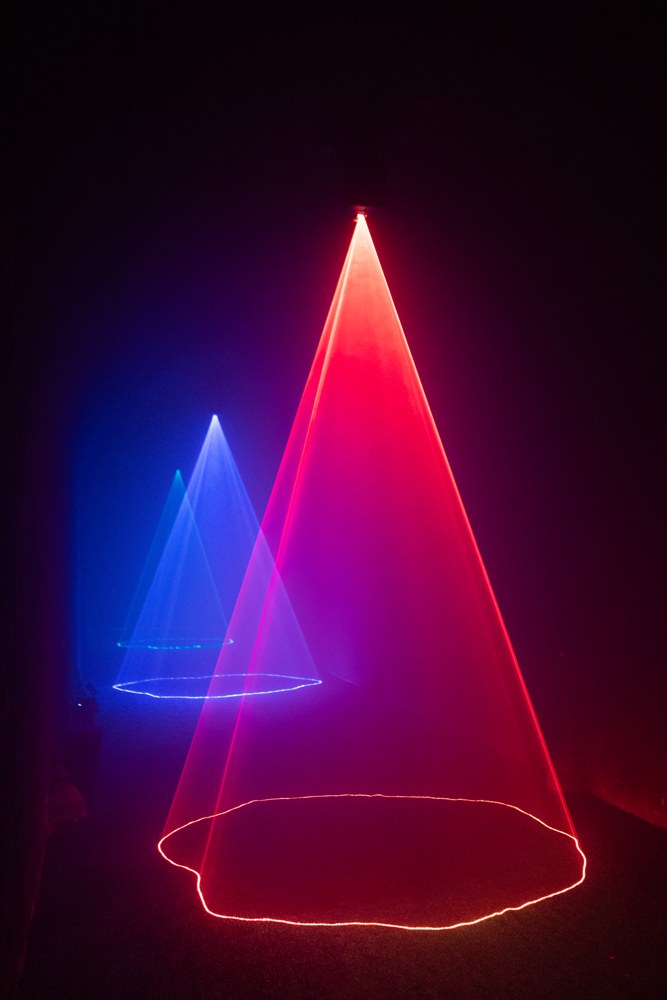
Another threshold opens with PORTAL, by Polish art and technology studio Ksawery Komputery, founded by new media artist Ksawery Kirklewski. Its laser tunnel marks the passage from the entrance into the heart of the exhibition. This Italian premiere immediately engages visitors’ perception of space.
Holograms, impossible landscapes and mechanical creatures
ROW, also by TUNDRA, uses a sequence of rotating holographic displays to build a choreography of forms. Sound, imagery and space interact as figures follow one another and change configuration. The installation is one of the programme’s four Rome debuts.
Foreign Nature, by Dutch digital artist Julius Horsthuis, also reaches the capital for the first time. Fractal geometry is the material behind his animations and immersive environments: abstract landscapes, organic structures and impossible architecture transform and reassemble. Familiar natural forms meet a scale and complexity that change the way we look at them.
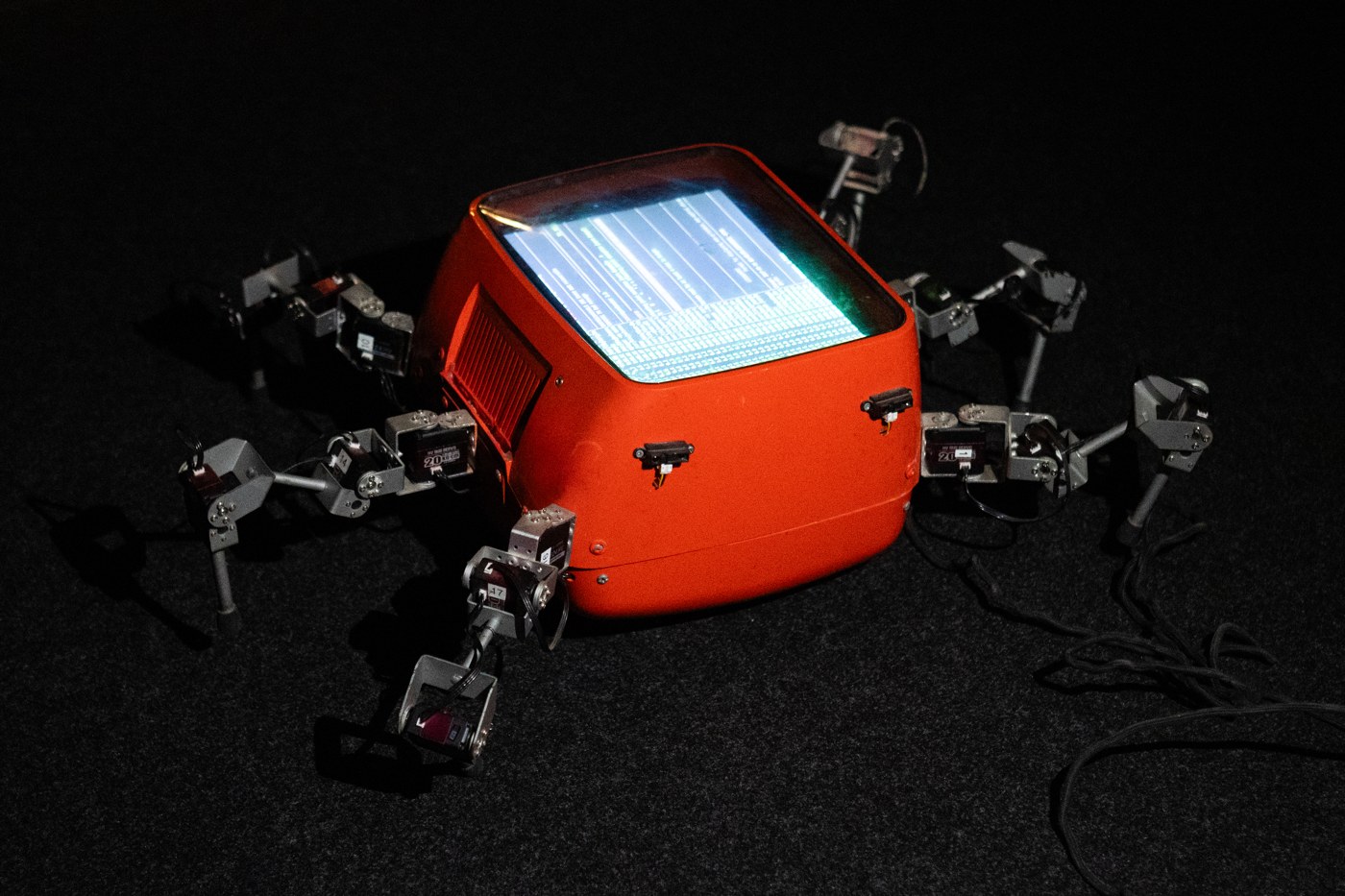
Then come some particularly unusual encounters. In The Awakening, by Rome-born artist Donato Piccolo, robotic sculptures evoke animal organisms and everyday objects turn into mechanical creatures. Capture/Resemble (Extended), by German artist Andreas Lutz, explores the relationship between human identity and artificial behaviour through an interactive kinetic sculpture, presented here in its new extended version.
Artificial intelligence also features in Decohering Delineation, by Entangled Others, the shared artistic practice of Sofia Crespo and Feileacan McCormick. The work reinterprets marine imagery through a dialogue between artistic creativity and artificial systems. Across the exhibition, technology therefore takes on different roles: creating images, organising movement and building relationships with the viewer.
Premieres shaped by the Forte’s history
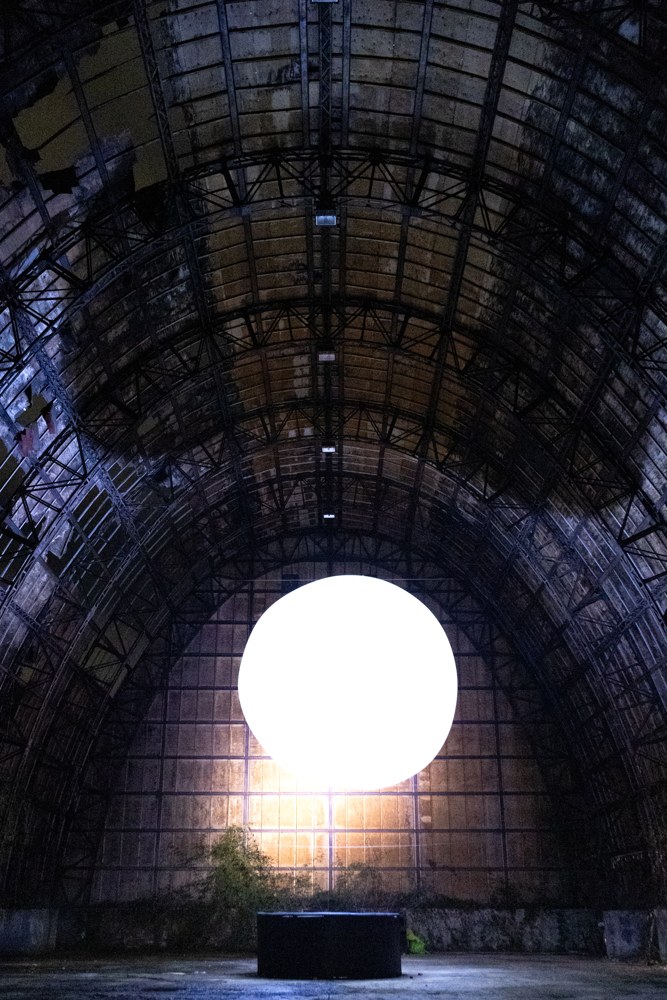
The new productions include LOURD – Critical Matter, by Quiet Ensemble, the Rome-based collective founded by Fabio Di Salvo and Bernardo Vercelli. Working through appearances and dissolving forms, the installation evokes the memory of one of the Forte’s spaces and alters perceptions of movement and surroundings.
Le Porte dei Sogni, by Bobbi / Galattico, revisits the ancient myth of the two gates through which dreams reach the living world. Light designer Roberto Pozzebon, known as Bobbi, developed the installation with Milan-based creative studio Galattico. Works created for these spaces by Genera Studio complete the group of six world-premiere productions, alongside those by Random International, Quiet Ensemble, Lutz, Ruzza and Bobbi / Galattico.
The exhibition will evolve over the months. From January, the project plans collaborations with Rome’s fine arts academies and artistic training institutions. Students will be able to exchange ideas with the artists and contribute to new works conceived for the Forte.
A place to discover with children, too
Amazing Wonders welcomes different generations. Children can approach the works through movement, play and experimentation; adults can also explore international artistic research, including productions developed specifically for Rome. Children aged six and under enter free.
The Forte contributes its architecture, landscape and memory to the experience. Urban Value’s temporary urban regeneration project, undertaken with the Ministry of Defence and Difesa Servizi, brings historic spaces back into public use through cultural activities. The exhibition is produced by Ninetynine and Urban Value, with the patronage of Italy’s Ministry of Culture and Roma Capitale. Komen Italy is the charity partner, bringing women’s health and prevention into the project.
That is one of the appealing things about this opening: rediscovering a place in the city and exploring it with people we care about. Stopping at different works, pointing out a detail or talking about the mechanical creature that has just caught someone’s attention. Wonder can become a conversation, too.
Amazing Wonders: dates, opening hours and tickets
Where: Forte Trionfale, Via Trionfale 7400, Rome. When: 20 November 2026 to 30 April 2027.
• Wednesday and Thursday: 16:00–22:00.
• Friday: 16:00–01:00.
• Saturday: 10:00–01:00.
• Sunday: 10:00–22:00.
• Monday and Tuesday: Closed.
• Standard, Wednesday–Friday: 15 €.
• Standard, weekends and holidays: last daytime entry at 6pm: 19 €.
• Standard, weekends and holidays: entry after 6pm: 23 €.
• Concession, Wednesday–Friday: 12 €.
• Concession, weekends and holidays: 17 €.
• Children aged six and under, and companions of visitors with disabilities: Free.
• Open, flexible date and time: 35 €.
Concessions cover under-25s, over-65s, visitors with disabilities, Metrebus Card holders and eligible partner schemes. Schools and CRAL recreational associations have a €10 rate from Wednesday to Friday, for groups of at least 15. Group enquiries: gruppi@amazingwonders.it.
Online booking offers entry slots every half-hour. Once inside, visitors may stay until closing; allow around 90 minutes for the full route. The ticket office closes 90 minutes before the exhibition.
Bus routes 911 and 913 stop outside the entrance, alongside night service n913. Up to 300 free parking spaces are available for visitors. The route includes indoor and outdoor areas and stays open in bad weather. Some works use intense lighting effects; accessibility and photosensitivity information is available on the visit page.
From 26 December to 6 January, daily opening is scheduled from 10am to 11.30pm. On 31 December, the ticket office closes at 6pm.
Keep exploring Rome
SOURCES AND FURTHER READING
Did this story touch your heart?
Psst… you’ll like this too!
Things to do in Reggio Emilia and nearby on Thursday 26 November 2026
Read the story ↗Share this story