Milan’s Tree of Giving: Christmas, Christian roots and solidarity
The Piazza Duomo tree will be lit on 4 December. Its name has prompted a political dispute, while the project supports three organisations helping people in need.
Jump to what you need
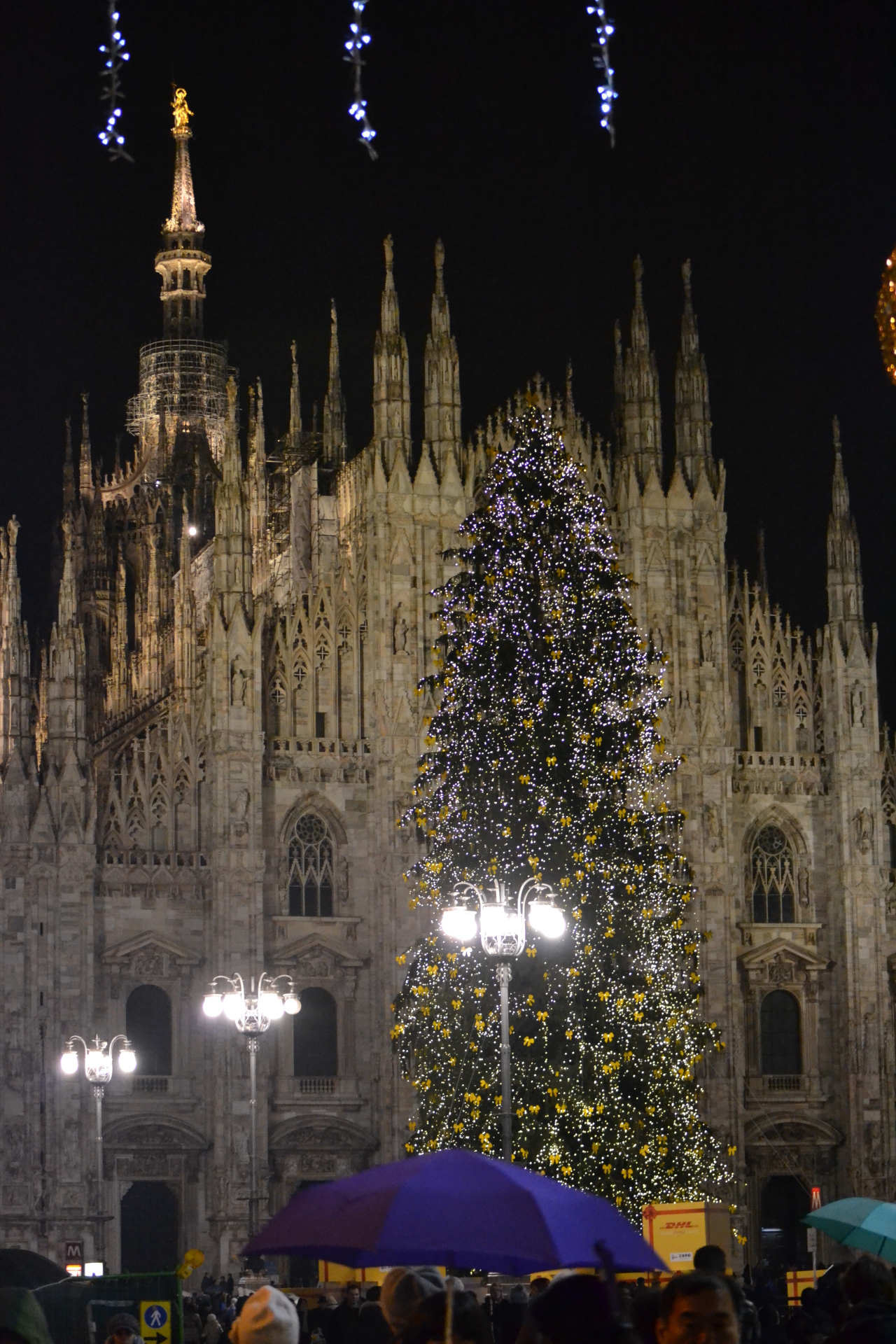
On Friday 4 December at 5pm, Milan’s Piazza Duomo will light up its large fir: around 26 metres tall, brought from Levico Terme in Trentino, with an installation featuring 60,000 low-energy LED lights. In front of the Cathedral, beneath the Madonnina, one of the city’s familiar December celebrations will return. This year its chosen name, Albero del Dono — Tree of Giving — has prompted a discussion about Christmas in public life.
The name accompanies a charitable project benefiting Progetto Arca, Caritas Ambrosiana and the Community of Sant’Egidio. Citizens and politicians have objected that removing the explicit Christmas reference weakens a tradition. The city administration defends an initiative linking the tree with help for people in difficulty. Understanding the dispute means considering both the meaning people attach to words and what the project intends to achieve.
The criticism and Sala’s response
Criticism appeared on social media following pictures of the fir’s arrival and entered the political debate on 25 November. Deborah Dell’Acqua, a Milan representative of Fratelli d’Italy, questioned why an alternative name was needed for a tradition rooted in the city’s culture. Her position was that respecting other cultures is compatible with affirming one’s own identity. City councillor Francesco Rocca also attacked the decision.
Objections also came from the Five Star Movement’s Stefano Buffagni and former mayor Gabriele Albertini, who invoked the feast’s Judeo-Christian roots. The underlying concern is understandable: Christmas names a particular celebration whose religious origins deserve to remain recognisable.
On 26 November, Giuseppe Sala responded forcefully, rejecting accusations of censoring tradition. The mayor recalled the 2020 precedent and brought his own religious practice into the discussion, saying he had attended Mass the previous Sunday. The debate consequently moved from the installation’s name to personal expressions of faith, while the charitable project risked slipping into the background.
Forza Italy councillor Deborah Giovanati urged people to consider the initiative’s history before assigning it an ideological meaning. Her intervention drew a useful distinction: preferring the traditional name and accusing someone of seeking to erase Christmas require different arguments.
The Tree of Giving was already there in 2020
On 6 December 2020, during the pandemic, a tree carrying precisely this name was lit in Piazza Duomo. Supported by Coca-Cola, it invited donations to Banco Alimentare. It formed part of Natale degli Alberi, conceived by Marco Balich and given to the city by the Bracco Foundation.
That precedent adds depth to the current story. The name returns in 2026 with new supporters and different beneficiary organisations. People may prefer an explicit Christmas reference in the fir’s name; its absence alone is insufficient evidence of an intention to erase the feast.
How the charitable initiative will work
The supporters involved are Lilly, Dils and Lafarmacia, the Hippocrates Holding pharmacy network. The initiative combines sponsors’ contributions with fundraising open to the public. A QR-code area is planned at the foot of the tree, allowing visitors to use their phones to access donation options for the beneficiaries.
For visitors, this will be the practical opportunity to explore. A photograph beside the tree can also become a chance to discover and support a service. The amount raised and the outcomes of individual interventions will be developments to follow as the initiative proceeds.
Lights will also reach Rogoredo
The project associated with the fir includes festive lights in Rogoredo, along Via Monte Cengio, Via Monte Peralba and Via Cassinari, and in the grounds of the Sacra Famiglia parish. This connection between the centre and residential neighbourhoods brings part of the celebration to everyday streets beyond Milan’s most photographed square.
Three organisations helping throughout the year
Progetto Arca brings hot meals to people experiencing homelessness through services including its mobile kitchens, vehicles equipped to prepare and distribute food. Food provision also creates opportunities to listen and build relationships with people living on the streets.
At Caritas Ambrosiana’s solidarity food shops, families referred by listening centres choose products using a points card. Retaining the ability to choose their groceries restores independence to an everyday activity that financial hardship can make painful.
Sant’Egidio’s Christmas story dates to 1982 and its first lunch with people in poverty in Rome’s Basilica of Santa Maria in Trastevere. That gathering grew into a tradition followed in many places. The first guests included older people living alone and people experiencing homelessness.
These examples of the organisations’ regular work help explain whom the Milan project supports. They give substance to the idea of giving: food, freedom to choose and companionship. These are distinct needs that often intersect within one person’s life.
Expressing Christmas’s Christian meaning clearly
For Christians, Christmas celebrates the birth of Jesus, God becoming human. The story begins with a child’s vulnerability and a presence to welcome. Here lies a profound connection between the feast and care for people in fragile circumstances.
In the Gospel, feeding those who are hungry and welcoming strangers belong to a relationship with Christ. Charity therefore has a place beside the Nativity scene, within the same faith. People who cherish Christmas’s name are right to ask for its origins to be explained clearly; those supporting help for people in difficulty can recognise a responsibility consistent with that story.
Communication expressing both concerns would help the city find common ground. Christmas can be named openly while the purpose of giving is explained precisely, introducing the people and activities that support will reach. People of other religions or none can participate while retaining their own identities.
From the square to a possible act of kindness
The lighting is scheduled for Friday 4 December at 5pm in Piazza Duomo. The official websites of Progetto Arca, Caritas Ambrosiana and Sant’Egidio already offer information about their work, ways to support it and contact details.
Around the fir there will be room to enjoy the lights, take family photographs and consider a practical question: what can this celebration bring into the life of someone who needs help? The name deserves attention. The people whom the giving is intended to reach deserve to be known.
SOURCES AND FURTHER READING
Did this story touch your heart?
Share this story